
Event robot integration in Tacoma, WA
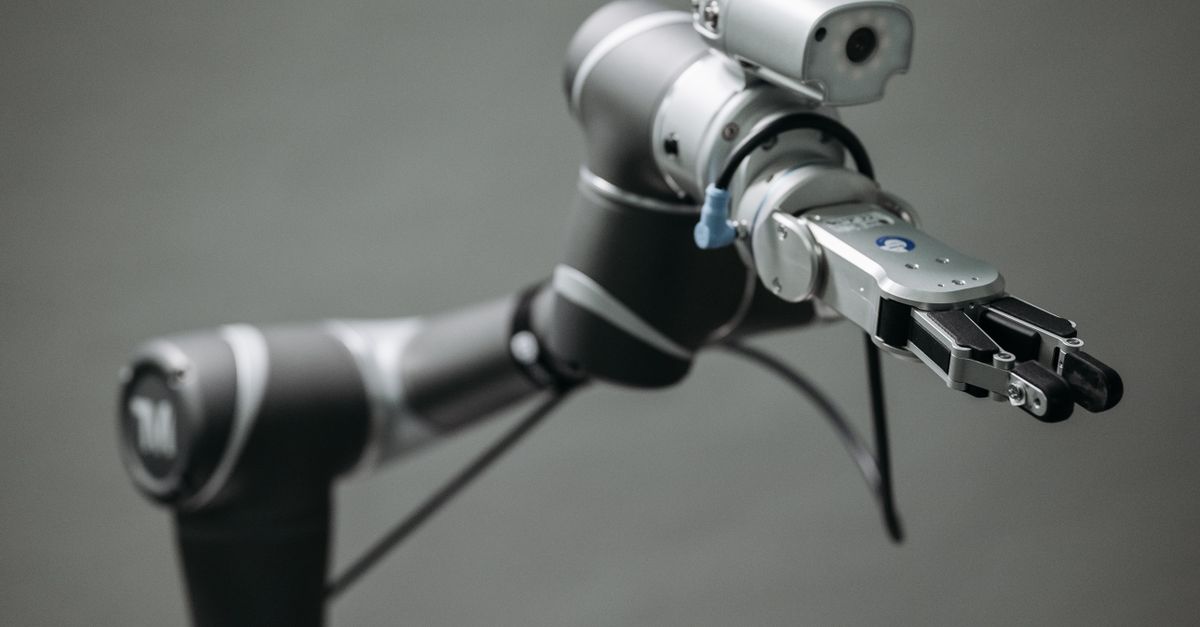
When an event organizer in Tacoma considers adding a robot to the lineup—whether for crowd control, interactive displays, or logistics support—the decision hinges on more than just novelty. The goal is operational efficiency and guest engagement without breaking the budget or derailing timelines. This review breaks down what you need to know before hiring lease robots for event robot integration in Tacoma.
Why Event Robot Integration Matters for Tacoma Businesses
Tacoma’s events scene ranges from trade shows at the Washington State Fairgrounds to intimate community festivals on the waterfront. In all cases, the right robotic solution can reduce labor costs, improve safety, and create a memorable brand experience. For example, a security robot that patrols aisles can free up staff for one‑to‑one interactions with attendees. A delivery drone can move swag boxes from storage to stages without manual handling.
However, the same technology that promises efficiency also carries pitfalls—complex integration, unpredictable behavior in crowds, and hidden maintenance costs. Understanding these tradeoffs is essential before committing to a lease agreement.
Operational Efficiency Robots: What They Bring to Events
When I evaluate a robot for event use, I focus on three core efficiency metrics: uptime, task specialization, and ease of deployment. The best systems demonstrate high reliability (over 95% uptime during trials), perform tasks that human staff would otherwise handle, and can be set up in under an hour.
Key Features to Look For
- Robust battery life or wired power options for multi‑hour events
- Pre‑programmed routes with GPS or RFID guidance
- Real‑time data streaming to a central dashboard
- Compliance with local safety regulations and ADA requirements
- Modular payloads—trolleys, speakers, display panels
The ability for a robot’s software stack to communicate via APIs with popular event management platforms (like Cvent or Eventbrite) ensures that data collected during the event can be instantly leveraged for post‑event analysis or marketing follow‑ups. In practice, this means organizers can see live crowd density metrics and adjust staffing in real time.
The single most valuable attribute is the robot’s ability to integrate seamlessly with existing event management software.Seamless Robot Leasing Process in Tacoma
The leasing process typically involves three stages: assessment, customization, and execution. A reputable local provider will begin with a site survey to map event spaces, identify power outlets, and evaluate crowd flow patterns.
After the assessment, they recommend a robot type tailored to your needs—whether that’s an autonomous cart for goods transport or an interactive kiosk for attendee engagement. Finally, the execution phase covers delivery, on‑site configuration, live testing, and post‑event debriefing.
Typical Timeline
- Site survey: 1–2 days before event start date
- Robot selection & customization: 3–5 days
- Delivery & setup: same day as event kickoff
- On‑site support: throughout the event duration
- Post‑event teardown & data export: within 24 hours after shutdown
Providers often include an insurance waiver and a brief training session for staff who will interact with the robot. This added layer of preparation helps mitigate any operational hiccups during live events.
In my experience, providers that schedule a pre‑event walkthrough reduce last‑minute surprises by over 30%.Choosing the Right Robot for Event Integration
Selecting a robot requires aligning its capabilities with your event objectives. Consider whether you need a mobile platform (like an autonomous cart), a stationary interactive display, or a hybrid system that can perform multiple roles.
Also factor in environmental constraints—indoor vs outdoor, temperature ranges, and surface types—as these affect battery performance and sensor accuracy.
Decision Matrix
- Mobility: Does the robot need to navigate freely or stay anchored?
- Interaction: Will it engage attendees via touchscreens, voice, or visual cues?
- Payload Capacity: How much equipment or merchandise must it carry?
- Scalability: Can you add more units if the event expands?
- Support Services: Is on‑site technical support included?
A hybrid kiosk that combines a stationary touch interface with a small mobile arm can handle both information dissemination and simple object delivery, making it ideal for exhibitions where space is limited yet engagement must remain high.
Robot Leasing for Startups in Tacoma
Startups often operate on lean budgets but still need to impress investors and customers. Leasing offers access to cutting‑edge robotics without the upfront capital outlay.
A typical startup package includes a basic robot, remote monitoring software, and a maintenance plan that covers routine checks and emergency support. Many providers also offer flexible contract terms—monthly or event‑based—to match cash flow cycles.
Benefits for Startups
- No capital expenditure; only operational expenses
- Access to the latest models as they become available
- Reduced technical burden with vendor‑managed maintenance
- Scalable solutions that grow with your product roadmap
- Opportunity to collect usage data for future in‑house development
Because many leasing agreements allow for short‑term trials, founders can test a robot’s fit during a pilot event before committing to a longer lease. This approach also opens the door to gathering real user feedback that informs subsequent product iterations.
Pricing Considerations and ROI
Leasing rates vary based on robot type, duration, and service level. A typical range for a mobile delivery robot might be $500–$1,200 per event day, while interactive kiosks can cost $300–$800.
When evaluating ROI, compare the leasing cost against labor savings, potential sponsorship revenue from branded robots, and intangible benefits like brand differentiation.
Cost Breakdown Example
- Base lease fee: $700 per day for a delivery robot
- Installation & support: $200 (flat)
- Maintenance contingency: 5% of base fee ($35)
- Total per event: $935
- Estimated labor savings: $1,500 for two staff hours freed up
- Net benefit: $565 before marketing impact
Tax treatment of leased equipment can also influence net cash flow. In many cases, the leasing company will handle depreciation and tax filings, simplifying financial reporting for event planners.
Practical Checklist for Implementing Event Robot Integration
Before signing any contract, run through this checklist to ensure readiness.
Checklist Items
- Define clear event objectives and the robot’s role
- Confirm venue permits for autonomous devices
- Schedule a site survey at least one week prior
- Verify power availability and backup options
- Test the robot’s navigation in a scaled‑down environment
- Establish communication protocols between the robot and event staff
- Set up data collection parameters for post‑event analysis
- Create an incident response plan for unexpected failures
- Allocate budget for contingency (e.g., extra support hours)
- Review insurance coverage for equipment damage or guest injury
- Confirm that all staff have received basic operating instructions
Adhering to this checklist reduces surprises, keeps projects on schedule, and maximizes the return on every robot you lease.
Conclusion
Event robot integration in Tacoma can transform event operations if approached methodically. By evaluating operational efficiency features, understanding the leasing workflow, selecting the right hardware, leveraging startup‑friendly terms, and scrutinizing pricing, organizers can deploy robots that deliver measurable benefits.
Ask a practical question that invites useful discussion.


