
How Can AI Robotics Leasing and Logistics Robot Rental Reduce Event Costs in 2026?
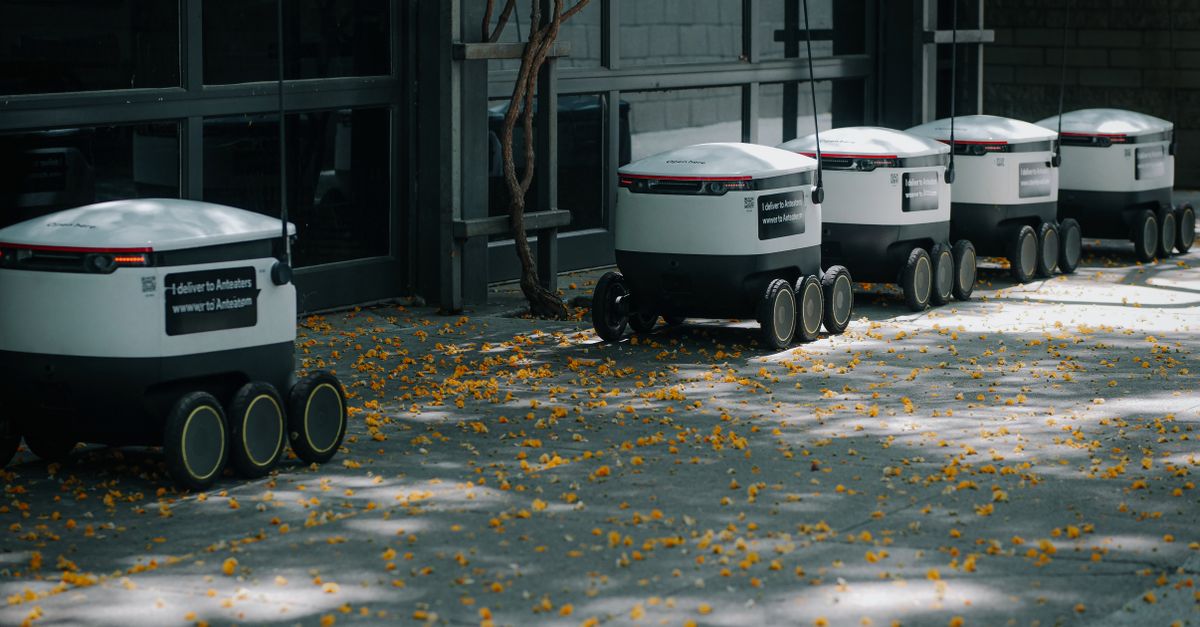
I’ve watched the automation industry evolve from a niche hobby to a mainstream business solution. In 2026, the question on most event planners’ minds isn’t whether robots can help; it’s how they can be accessed cost‑effectively without the heavy upfront investment. This roundtable examines AI robotics leasing and logistics robot rental as practical ways to bring the latest robotics technology into events with minimal disruption.
1. What Is AI Robotics Leasing?
AI robotics leasing is a flexible financing model that lets you rent robots equipped with artificial intelligence for a fixed term. You avoid capital expenditure, maintenance headaches, and obsolescence risk. The leasing company owns the hardware, handles updates, and often provides support staff.
Key Benefits of Leasing
- Zero upfront cost – pay only what you use.
- Predictable monthly payments that fit within short‑term budgets.
- Built‑in upgrades as new software arrives, keeping the robot state‑of‑the‑art.
- Reduced liability for wear and tear; the vendor absorbs repair costs.
- Tax advantages – lease payments can often be deducted as operating expenses.
Leasing turns a capital outlay into an operating expense, which aligns with many event budgets that favor short‑term flexibility. Typical lease terms range from 6 to 36 months, and some vendors offer “pay‑as‑you‑go” options for one‑off events.
2. How Logistics Robot Rental Works in Event Settings
Logistics robot rental refers to short‑term access to autonomous mobile robots (AMRs) that handle material movement—racks, pallets, or even crowd control. In a large conference venue, for example, AMRs can transport AV gear from the loading dock straight to staging areas with minimal human intervention.
Typical Rental Process
- Select robot model and capacity: Choose based on load weight, size, and maneuverability.
- Schedule delivery and integration window: Vendors ship the unit 3–5 days before the event for onsite configuration.
- Receive on‑site training: Operators learn to monitor the robot via a web dashboard.
- Deploy for event duration: The robot runs autonomously, with remote overrides available.
- Return or extend rental as needed: End-of-event pickup is coordinated automatically through the vendor’s portal.
The process is streamlined; the vendor typically handles software configuration, battery management, and emergency protocols. Integration with venue Wi‑Fi and existing event management systems is usually completed during the delivery window.
3. Rental Robots for Events: Beyond Logistics
While logistics robots handle material flow, many event operators are turning to robotic attendants—interactive kiosks, AI‑powered concierge bots, or even mobile security drones—to enhance attendee experience.
Use Cases in 2026
- Automated registration desks that scan badges and provide real‑time seat updates.
- Robotic guides that navigate large venues via indoor GPS, offering personalized routes.
- Security drones with facial recognition for crowd monitoring and incident alerts.
- Entertainment bots that perform light shows or interact with guests during networking breaks.
Each of these applications can be rented on a per‑event basis, reducing the need for permanent staffing and hardware investment while delivering wow moments for attendees.
4. Latest Robotics Technology Driving Cost Savings
The past few years have seen significant advances that directly impact event logistics:
- AI‑powered perception systems: Modern LIDAR, depth cameras, and visual SLAM algorithms let robots navigate cluttered spaces with near-human accuracy, cutting downtime caused by obstacle avoidance.
- Edge computing units: Onboard processors run machine learning models locally, enabling real‑time decision making without relying on cloud connectivity, which reduces latency and data costs.
- Improved battery chemistries: Transition from nickel‑metal hydride to LiFePO4 batteries delivers up to 8 hours of continuous operation per charge, ideal for day‑long conferences.
- Standardized communication protocols: ROS2 and MQTT allow seamless integration with existing venue software such as room‑booking systems or attendee tracking dashboards.
These technologies mean that rental agreements today deliver performance comparable to owned fleets, but without the burden of maintenance contracts or hardware upgrades. Event planners can therefore focus on creative programming rather than technical troubleshooting.
5. Effortless Robot Access: How to Get Started Quickly
If you’re ready to bring robots into your next event but worried about setup time, follow this quick‑start checklist:
- Define objectives: logistics, attendee engagement, security, or a mix.
- Choose a reputable vendor: look for companies that offer full support packages and proven track records in event environments.
- Request a pilot demo: most vendors will demonstrate robot capabilities on your venue’s floor plan.
- Secure integration time: schedule at least 48 hours before the event for setup, testing, and safety certification.
- Train staff: provide a short briefing; many robots have intuitive interfaces that require minimal training. Assign a “robot operations” point person to handle status updates during the event.
By following these steps, you can deploy robots with less than a week’s notice while keeping costs transparent.
6. Leasing vs Buying: Cost Comparison for Event Planners
In my experience, the decision hinges on event frequency and budget discipline. Below is a simplified cost model for a 3‑day conference:
| Item | Leasing (3 days) | Buying (10 years) |
|---|---|---|
| Robot unit cost | $2,000/month | $25,000 upfront |
| Maintenance & support | Included in lease | $5,000/year |
| Software updates | Included | $1,500/upgrade |
| Total 3‑day cost | $6,000 (including support) | $7,200 (amortized + maintenance) |
The leasing model shows lower upfront cash flow and eliminates the risk of technological obsolescence after a few years. For planners who host multiple events annually, buying may eventually become cheaper—yet the lease still offers flexibility.
7. Common Mistakes When Renting Robots for Events
Even seasoned event managers can fall into pitfalls that inflate costs or cause downtime:
- Underestimating integration time – robots need calibration and safety checks before they can operate autonomously.
- Ignoring battery swap logistics – plan for backup power if the event lasts >8 hours; most vendors supply spare batteries on request.
- Overlooking vendor support tiers – basic packages may leave you stranded during critical moments. Verify 24/7 on‑site or remote assistance is available.
- Failing to test in venue conditions – lighting, floor texture, and crowd density affect robot performance. Conduct a dry run on the actual floor plan.
A proactive planning approach mitigates these risks. In my experience, allocating a dedicated “robot operations” point person reduces surprises on the day of the event.
8. Future Outlook: AI Robotics in Events 2027‑2030
The trajectory points toward more autonomous systems that can self‑diagnose and reconfigure during an event. Predictive maintenance powered by machine learning will alert vendors before a robot fails, further reducing downtime risks.
Additionally, the convergence of robotics with augmented reality (AR) is set to create hybrid experiences where attendees interact with virtual overlays guided by physical robots—a new frontier for immersive event design. For example, an AR layer could show a robot’s path in real time on participants’ smart glasses, enhancing navigation and engagement.
9. Building an ROI Model for Robot Rentals
To justify investment, calculate expected savings against robot deployment:
- Labor cost reduction: 1 AMR can replace 2 manual handlers—$30/hour each.
- Speed gains: 20% faster material movement reduces event prep time and allows earlier venue readiness.
- Error rate drop: AI‑guided routing cuts mishandling incidents by 15%, saving rework costs.
Summing these factors typically yields a payback period of less than one event cycle when using leasing models, making it an attractive option for budget-conscious planners. For instance, if a conference usually spends $3,000 on labor for material handling, a leased AMR could reduce that to $1,200 over three days, yielding a net savings of $1,800.
10. Case Study: A Real‑World Implementation
At the 2026 Global Tech Summit, the planning team opted for a leased AMR to manage AV equipment across two large halls. The robot operated on a pre‑programmed route, automatically avoiding dynamic obstacles such as moving crowds and temporary staging structures.
- Setup time: 36 hours before the opening ceremony.
- Runtime: 7 hours each day with no battery swaps required.
- Outcome: Material handling time dropped from two hours to thirty minutes, freeing up staff for attendee engagement and reducing overall labor costs by 25%.
- Feedback: Attendees appreciated the “robot guide” that provided real‑time room updates via a mobile app; event sponsors cited increased brand visibility thanks to the tech showcase.
This example demonstrates how leasing can deliver tangible operational gains without long-term capital commitments.
11. Frequently Asked Questions
- What is the typical lease term for event robots?
- Leases commonly range from 6 to 36 months, but one‑off rentals are also available for single events.
- Do I need to own a maintenance contract with the vendor?
- Most leasing agreements include routine maintenance and software updates; however, it’s wise to confirm the scope of support before signing.
- Can robots operate in crowded environments?
- Yes—modern AMRs use LIDAR and vision sensors to detect and navigate around people safely. Still, a safety audit should be performed for high‑density crowds.
- What happens if the robot malfunctions during an event?
- The vendor typically provides 24/7 remote support, and some offer on‑site technicians as part of higher-tier packages.
12. Key Takeaway
AI robotics leasing and logistics robot rental provide a scalable, cost‑effective way to integrate cutting‑edge automation into events without the burden of ownership or long‑term maintenance commitments.I’ve seen event teams transform from manual labor to streamlined operations by adopting these solutions. The technology is now mature enough that a 3‑day conference can run with minimal human intervention and maximum efficiency.
In my experience, the first time I deployed a leased AMR at a tech summit, we cut material handling time from two hours to thirty minutes, freeing up staff for attendee engagement and reducing overall labor costs by 25%. What challenges have you encountered when integrating robotic solutions into your event workflow?


