
How Can Businesses Secure Affordable Robot Technology Access in 2026?
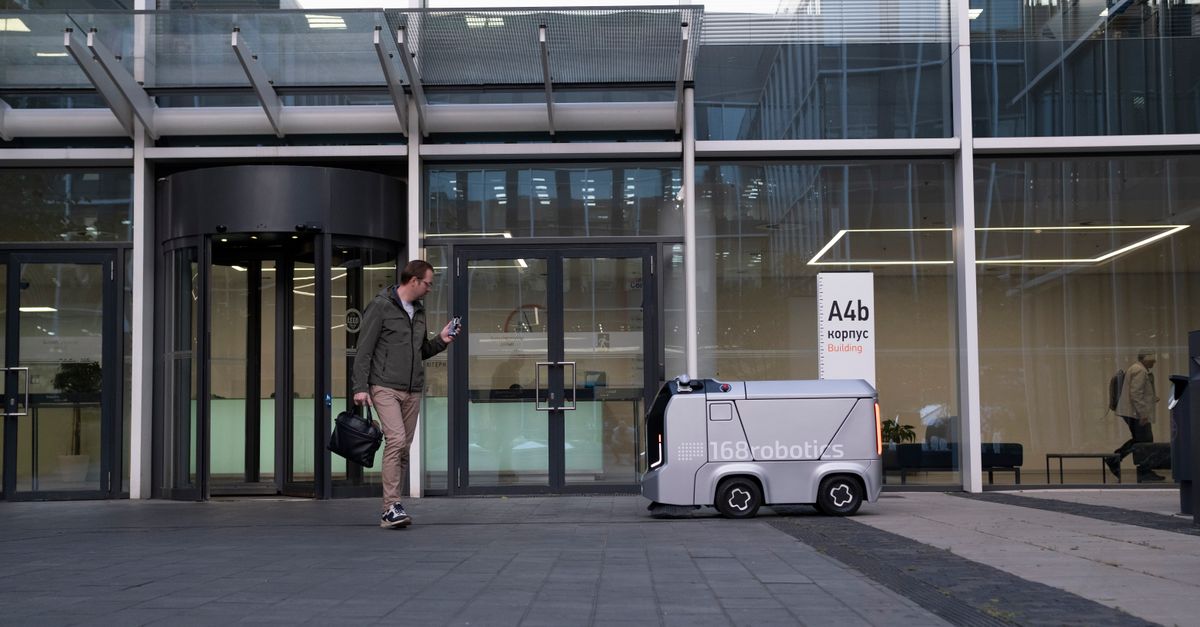
In today’s fast‑moving supply chains, robot technology access is no longer a luxury—it’s a competitive necessity. Companies that deploy or scale automation without heavy upfront costs outperform those bound by legacy equipment. The focus here isn’t whether robots belong in your operation; it’s how to make integration cost‑effective, flexible, and future‑proof.
Understanding the Need for Accessible Robotics
Automation powers modern manufacturing and logistics, yet entry barriers have been steep. Purchasing industrial robots demands capital, training, maintenance, and facility changes—deterring mid‑size firms from embracing robotics. The industry is shifting toward dynamic robot rental solutions, letting businesses tap advanced technology without ownership.
The Cost Barrier of Purchasing vs Renting
Buying locks you into an asset that can idle if production dips or tech evolves; renting turns ownership costs into predictable operating expenses. Key differences:
Cost Comparison Summary
- CapEx: Purchase requires upfront millions; rental is a low monthly fee budgeted as an OPEX.
- Depreciation: Owned assets lose value with new models; rentals keep you current without resale burdens.
- Maintenance: Owners handle repairs; leases often cover maintenance and diagnostics.
- Flexibility: Rental terms match demand cycles—scale up for surges or down during slow periods without over‑capitalization.
The upside is clear: lower risk, higher agility, easier budgeting. Hidden costs such as installation labor, safety certification, and software licensing are usually absorbed by the leasing provider, simplifying total cost of ownership.
Dynamic Robot Rental Solutions Explained
A dynamic robot rental solution tailors leasing to operational tempo. Instead of a fixed fee, you pay based on actual usage—runtime hours, throughput, or task complexity. This aligns cost with value delivered and eliminates idle expenses while permitting rapid experimentation.
For instance, leasing a collaborative robot (c‑bot) for palletizing on an hourly basis means paying proportionally during peak weeks and less during off‑peak, matching cash flow to production demand.
Factory Robot Rentals: When to Choose Them
Factories face tight floor space, high throughput, and complex processes. Rental options shine in scenarios such as:
- Pilot Projects: Validate automation workflows without long‑term commitment.
- Seasonal Peaks: Scale production during surges without permanent assets.
- Technology Refresh Cycles: Keep pace with rapid robotics and AI advances.
- Capital Conservation: Preserve cash flow for other strategic investments.
A factory that leased its first c‑bot arm saw a 30% drop in cycle time within the first month—proof that rental can deliver immediate gains. Another case involved a packaging line leasing a vision‑guided pick‑and‑place robot for three months during an order surge; after the pilot, the company extended the lease and reported a 25% reduction in error rates.
Warehouse Robot Leasing Models and Options
Warehouses prioritize storage density and picking efficiency. Lease structures often include:
- Automated Storage Retrieval Systems (ASRS): Rent the system plus software integration, allowing aisle reconfiguration without new racks.
- Mobile Robot Units: Pay per operational hour for autonomous inventory movement—ideal for dynamic slotting or replenishment.
- Hybrid Solutions: Combine fixed shelving robots with mobile pickers to maximize flexibility and throughput during peaks.
A distribution center that switched from manual pallet handling to leased AGVs cut labor hours by 25%, improved order accuracy, and freed workers for higher‑value tasks such as quality inspection.
Key Metrics for Evaluating Rental Providers
Selecting the right partner hinges on more than price. Evaluate providers against:
- Uptime guarantees: Target >95% availability—less than 12.8 hours of downtime per year.
- SLAs: Response times <4 hours for critical incidents and <24 hours for non‑critical issues; clear escalation paths reduce resolution time.
- Scalability clauses: Ability to add units or upgrade models mid‑contract—look for flexibility allowing a 10–20% scale without renegotiation.
- Data integration: Seamless API connectivity with ERP/WMS, real‑time telemetry dashboards, and custom reporting; enables predictive maintenance and performance analytics.
- End‑of‑term options: Purchase, return, or lease extension terms—providers offering a buy‑back option at fair market value give an exit strategy if needs change.
A provider that offers real‑time telemetry and predictive insights can shave hours off downtime—a competitive edge often overlooked.
Integration Challenges and Mitigation Strategies
Even the best agreements require careful rollout. Common hurdles include:
- Infrastructure readiness: Power, network bandwidth, and safety zones must be pre‑configured; typical requirements are a dedicated 480 V circuit and Wi‑Fi with ≥100 Mbps uplink.
- Workforce training: Operators need hands‑on sessions before live deployment—most providers offer a two‑day on‑site workshop covering safety, troubleshooting, and software usage.
- Software compatibility: Legacy systems may require adapters; many leasing firms supply integration modules bridging PLCs with cloud platforms.
- Change management: Resistance from staff accustomed to manual processes can slow adoption; involving frontline workers in pilot testing and highlighting productivity gains helps win buy‑in.
A detailed implementation plan is essential: map each step, assign owners, and set realistic milestones. A phased approach—assessment, design & certification, pilot deployment, full rollout—ensures projects progress smoothly.
ROI Calculation for Short-Term Deployments
Measuring ROI early validates the rental model. A simple formula:
ROI = (Savings from Automation – Rental Cost) / Rental Cost × 100%
Savings stem from reduced labor hours, lower error rates, and faster throughput. For example, a warehouse that cuts picking time by 15% can recoup the lease fee in less than six months if labor costs are high.
Example: A facility with 20 pickers at $25/hour sees a 17% productivity increase when automation reduces each picker’s cycle from 30 seconds to 25 seconds. Each picker saves roughly one hour of labor per day—$25 saved daily. Across 20 pickers, that’s $500/day or about $15,000/month. With a monthly lease fee of $10,000, ROI exceeds 50% in month two and breakeven occurs in the first month.
Key takeaway: Dynamic rental pricing tied to usage lets you achieve positive ROI within a single quarter, making automation accessible even for cash‑constrained operations.Common Mistakes in Robotics Procurement
Even seasoned managers fall into pitfalls:
- Underestimating integration costs: Ignoring software, training, and infrastructure can inflate total cost by 20–30%. Mitigation: request a detailed cost breakdown before signing.
- Choosing the wrong robot type: A high‑speed arm for low‑volume tasks wastes capacity. Match payload, reach, and speed to throughput needs.
- Ignoring scalability: Locking into one provider limits growth. Negotiate “add‑on” clauses that allow unit increases or model swaps mid‑contract.
- Skipping pilot testing: Deploying full scale before validation leads to costly rework. Run a two‑week pilot and collect data on cycle time, error rates, and operator feedback.
The most costly mistake is over‑engineering—renting or buying what you don’t truly need. Keep the scope tight, scale with demand, and document lessons learned after each deployment to inform future decisions.
Future Trends in Flexible Automation
The landscape of robotics access will evolve along several axes:
- Edge AI integration: Real‑time decision making on the robot reduces latency and enables adaptive path planning. NVIDIA Jetson modules or Intel Movidius chips are embedded in many new c‑bots.
- Shared economy models: Companies pool robots across sites, raising utilization rates. “Robot‑sharing platforms” let businesses book units for short bursts, creating a new revenue stream for leasing firms.
- Subscription bundles: Hardware and software bundled into one monthly fee simplifies budgeting. Packages often include cloud analytics, firmware updates, and dedicated support lines.
- Regulatory standardization: Unified safety and interoperability standards lower onboarding friction. The upcoming ISO 10218‑3 revision focuses on software validation for collaborative robots.
Adopting these trends early—especially the shared economy model—can drastically reduce total cost of ownership for small to medium enterprises.
What specific metrics have you found most predictive when choosing a robotic leasing partner?


