
How Can Dynamic Robot Rental Solutions Improve Efficiency and Cut Costs in Hospitality Operations?
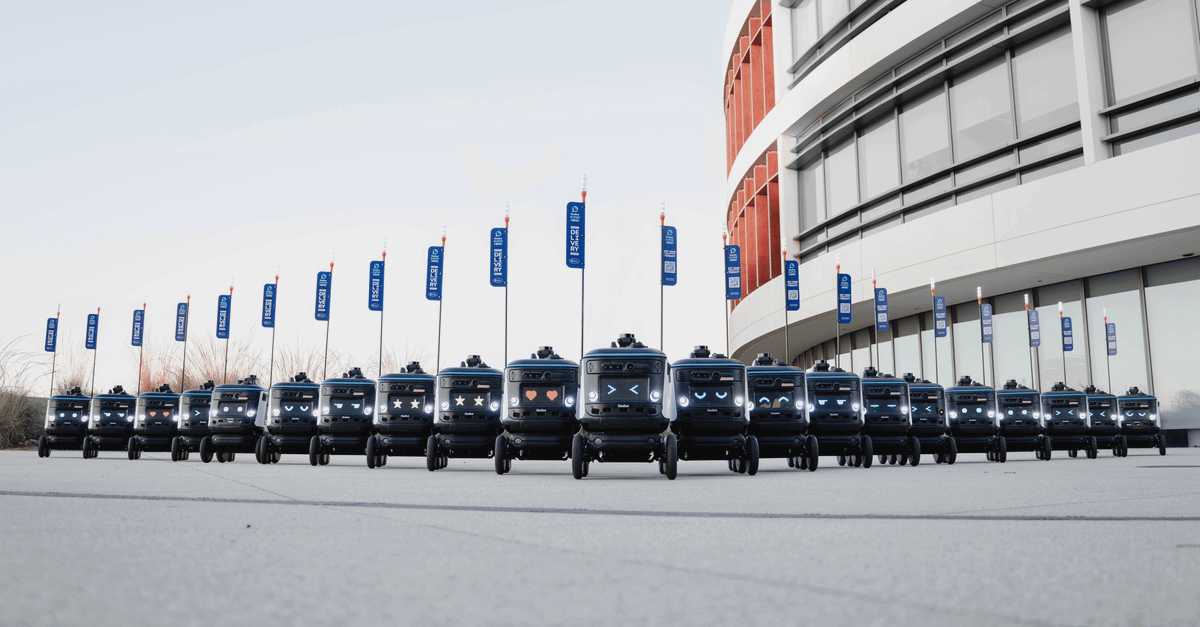
The hospitality industry is constantly pressured to deliver exceptional guest experiences while managing tight margins. Traditional staffing models struggle with seasonal fluctuations, labor shortages, and escalating wages. This creates an opportunity for dynamic robot rental solutions that enable effortless robot access without the upfront capital outlay of purchasing hardware.
Why Hospitality Needs Automation
Guest expectations have evolved to favor seamless service delivered at any time of day. Luggage handling, room cleaning, concierge assistance, and even food delivery can be automated to provide consistent quality while freeing staff for higher-value interactions. Moreover, labor shortages—exacerbated by the COVID‑19 pandemic—have made it increasingly difficult to maintain adequate staffing levels without inflating costs.
Customer Experience Enhancement
Robotic assistance delivers a level of precision and reliability that human workers sometimes struggle to match in high-volume scenarios. For example, autonomous carts can navigate crowded lobbies without delays, ensuring that guests receive their luggage promptly. This consistency reduces friction points during check‑in, directly translating into higher satisfaction scores and increased likelihood of repeat stays.
Sustainability & Energy Efficiency
Modern service robots are designed with low power consumption in mind, often integrating regenerative braking and energy‑saving idle modes. By replacing manual carts or labor-intensive tasks, hotels can lower their overall carbon footprint while also meeting growing regulatory demands for sustainable operations.
What Dynamic Robot Rental Solutions Offer
Dynamic robot rental solutions provide an end‑to‑end platform that covers procurement, deployment, maintenance, and support on a subscription basis. By leveraging these services, operators gain effortless robot access—meaning the robots are ready to work with minimal setup—and can focus on core hospitality functions.
Effortless Robot Access
The rental model eliminates the need for in‑house IT teams to manage hardware inventory and firmware updates. Vendors deliver fully configured units, perform regular maintenance, and handle software upgrades over the air. This turnkey approach reduces operational complexity and downtime.
Cost Advantages of Leasing vs Buying
Purchasing robots requires significant capital expenditure, ongoing maintenance costs, and obsolescence risk as technology advances rapidly. Leasing spreads the cost across a predictable monthly fee, often including hardware upgrades as part of the contract. This model aligns expenses with revenue streams and allows operators to reallocate capital toward guest‑facing initiatives.
Seamless Integration with Guest Apps
Many vendors provide SDKs that enable direct integration with mobile apps used by guests for check‑in, room service requests, or concierge interactions. This creates a unified experience where the robot’s status is visible to both staff and guests in real time, fostering transparency and trust.
Key Factors to Evaluate When Choosing a Robot Rental Option
While the benefits are clear, selecting the right vendor requires careful assessment. Below are critical criteria that influence long‑term success.
Service Level Agreements (SLA)
- Response time for on‑site support—typically measured in minutes or hours depending on severity.
- Uptime guarantees and penalties for downtime to protect against revenue loss during peak periods.
- Clear escalation paths for technical issues, ensuring that critical incidents are resolved within a defined timeframe.
Technical Support & Maintenance
- Proactive monitoring of robot health through cloud dashboards that flag anomalies before they lead to failures.
- Regular firmware updates to enhance security and performance without manual intervention.
- On‑call support for critical incidents, often available 24/7 in high‑density markets.
Integration with Existing Systems
- Compatibility with property management systems (PMS) and point‑of‑sale (POS) platforms to sync guest data seamlessly.
- API access for custom workflows, allowing hotels to tailor robot behavior to specific operational needs.
- Data security compliance (PCI, GDPR, etc.) to protect sensitive guest information during automated interactions.
Scalability and Flexibility
- Ability to add or remove units on short notice, often within a week, to match fluctuating demand.
- Options for seasonal scaling during peak periods without long‑term contractual obligations.
- Modular hardware that can be upgraded or reconfigured without replacing the entire robot, extending asset life.
The most decisive factor is how well the vendor’s support and integration capabilities align with your operational workflow, not just the price of the robot.
Pricing Models for Hospitality Robot Leasing
Understanding pricing structures helps operators forecast expenses accurately. Common models include:
Fixed Monthly Fees
A flat rate that covers hardware rental, maintenance, and basic support. This model offers predictability but may exclude usage-based costs.
Usage‑Based Billing
Fees are tied to robot operation hours or tasks performed. Ideal for facilities with variable demand; however, it requires careful monitoring to avoid unexpected spikes.
Bundled Packages
Vendor packages may bundle multiple service tiers—e.g., premium support, advanced analytics, and extended warranties—for a single fee. Bundles can offer cost savings but might include services that are unnecessary for some operators.
When evaluating pricing, consider not only the headline cost but also hidden expenses such as data bandwidth, integration fees, and potential penalties for exceeding usage limits.
Common Mistakes Operators Make
Many hospitality operators fall into pitfalls that negate the benefits of robot leasing:
- Underestimating the need for robust training programs for staff to interact with robots effectively.
- Choosing a vendor based solely on lowest price without assessing SLA and support quality.
- Failing to plan for data security compliance when integrating robots into existing systems.
- Neglecting to monitor usage metrics, leading to unanticipated cost overruns.
A well‑planned pilot phase can surface these issues early and prevent costly disruptions during full deployment.
Case Study: A Boutique Hotel's Experience
A 50‑room boutique hotel in downtown Las Vegas adopted a robot leasing program to handle luggage transport between the front desk and guest rooms. The vendor provided six autonomous carts that could navigate hallways, deliver bags, and return themselves for charging.
In my experience, the first month of robot leasing revealed a 15% reduction in labor hours dedicated to luggage handling, freeing staff to focus on personalized concierge services.The hotel reported a payback period of under nine months. Guest satisfaction scores rose by 3 points on average due to faster check‑in times and reduced waiting periods. The vendor’s maintenance model prevented any downtime, ensuring continuous operation during peak holiday seasons.
Implementation Roadmap for Your Facility
Deploying robot leasing successfully requires a structured approach that aligns technology with business objectives.
Assessment Phase
Identify high‑volume touchpoints where robots can add value. Conduct cost–benefit analyses, including labor savings and potential revenue increases from enhanced guest experiences.
Pilot Deployment
Start with a limited number of units in a controlled environment. Measure key performance indicators (KPIs) such as uptime, task completion rate, and staff satisfaction. Use the pilot to refine integration points with PMS and POS systems.
Full Rollout
Scale up to the full fleet once pilot metrics meet predefined thresholds. Ensure that training programs for front‑desk staff, housekeeping, and maintenance teams are complete. Monitor usage data continuously to adjust pricing plans if necessary.
Throughout all phases, maintain open communication with the vendor’s support team to address any technical or operational challenges promptly.
Future Trends in Robot Leasing
The robot leasing landscape is evolving rapidly:
- Artificial intelligence integration will enable robots to anticipate guest needs and adjust routes dynamically.
- Edge computing on robots will reduce latency, allowing real‑time decision making without relying on cloud connectivity.
- Subscription models may expand to include analytics dashboards that provide insights into robot performance and guest interaction patterns.
- Collaborative robots (cobots) designed for shared workspaces will allow staff to safely interact with machines on a daily basis.
Predictive Maintenance & Data Analytics
Advanced leasing agreements are beginning to incorporate predictive maintenance services that analyze usage patterns and preemptively replace wear‑and‑tear components. This reduces unplanned downtime and extends the lifespan of each unit, making the total cost of ownership even lower.
Beyond Cost Savings: Tangible ROI Metrics
While labor cost reduction is an obvious benefit, many operators also track secondary metrics such as:
- Guest‑Perceived Value: Surveys that capture how guests view robotic service as a premium offering.
- Operational Efficiency Index: A composite score combining task completion time, error rates, and energy consumption.
- Employee Engagement Scores: Measuring whether staff feel empowered rather than displaced by automation.
These metrics help hotels quantify the broader impact of robot leasing on brand perception and employee satisfaction, reinforcing the strategic value beyond pure dollars saved.
Conclusion and Takeaway
Dynamic robot rental solutions offer a pragmatic pathway for hospitality operators to modernize operations, reduce labor costs, and enhance guest satisfaction. By focusing on vendor support quality, integration capabilities, and transparent pricing models, hotels can achieve a clear return on investment while maintaining operational flexibility.
What specific service touchpoint in your hotel could benefit most from robotic assistance, and how would you measure its impact?


