
How Can Industrial Robot Rental Help My Business in 2026?
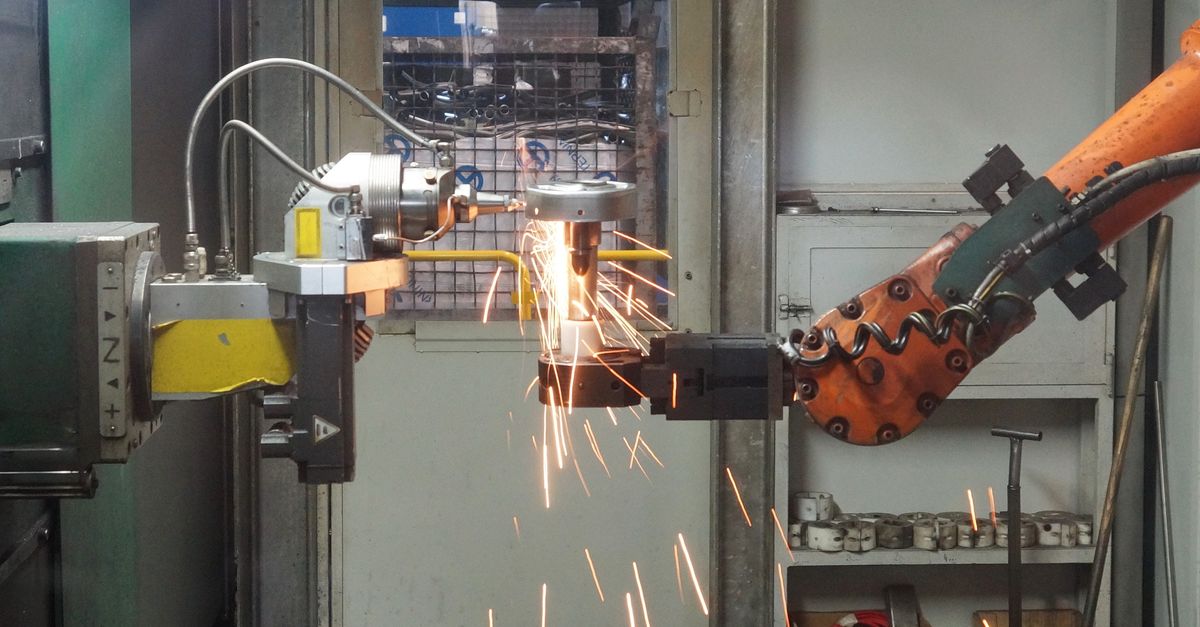
The cost of buying a robotic arm, the need for specialized maintenance, and the rapid pace at which technology evolves make outright purchase risky for many companies. Renting or leasing industrial robots lets you test, scale, and upgrade without the upfront capital drain.
Why Rent Robots Instead of Buy?
When I first considered automation for my warehouse startup, the price tag on a fully integrated robot system was intimidating. Leasing removes that barrier by converting a large capital expense into predictable operational costs. It also aligns with lean startup principles: you pay only for what you use and can pivot if the technology no longer fits.
Another advantage is flexibility. As production volumes fluctuate, a leased fleet allows you to scale up or down quickly without selling or scrapping equipment. This agility translates into better cash flow management and risk mitigation.
Leasing also gives you access to the latest firmware updates and hardware revisions that would otherwise be locked behind a costly upgrade cycle. Because vendors typically include software upgrades as part of their service, you can keep your robot at cutting‑edge performance without additional expense.
Key takeaway: Renting gives you immediate access to advanced robotics while preserving capital for core business activities.Cost & ROI Considerations
When evaluating a rental deal, I look at three primary cost drivers: the monthly lease fee, maintenance coverage, and upgrade options. A typical lease might range from $3,000 to $10,000 per month depending on robot type and usage intensity.
Factors that Influence Total Cost of Ownership
- Lease duration (short vs long term)
- Included maintenance and support level
- Upgrade or replacement clauses
- Insurance and liability terms
The ROI is often realized within 12 to 18 months, thanks to increased throughput, reduced labor hours, and fewer errors. I’ve seen startups cut their cycle time by up to 30% after integrating a leased robotic picker.
To calculate the break‑even point, subtract the monthly lease cost from the savings generated per month (e.g., $8,000 saved in labor versus a $5,500 lease). In this example, you would reach ROI in roughly six months. Vendors frequently provide a detailed ROI calculator as part of their proposal to help you see the numbers early.
Industrial Robot Rental Landscape in 2026
The market has matured with several key players offering turnkey solutions tailored for small- to medium-sized businesses. Most providers now bundle software, training, and on‑site support into the lease package, reducing the need for internal expertise.
Common Types of Robots Available for Lease
- CNC machining arms for precision manufacturing
- Automated guided vehicles (AGVs) for material transport
- Collaborative robots (cobots) that work alongside human operators
- Pick‑and‑place units for inventory management
When selecting a provider, I compare their hardware reliability ratings, the flexibility of their software interfaces, and the responsiveness of their support teams.
Software & Integration Services
Many leasing companies now offer cloud‑based monitoring dashboards that provide real‑time analytics on cycle time, fault rates, and energy consumption. These platforms often integrate with popular ERP or WMS systems via RESTful APIs, allowing you to pull performance data straight into your existing reporting workflow.
Hardware Reliability & Support
Reliable vendors typically have a 99% uptime SLA for critical production units. They also offer on‑site technicians who can respond within 8–12 hours, minimizing downtime that could otherwise halt entire shifts.
Healthcare Robot Solutions: From Surgery to Logistics
The healthcare sector benefits from robots that enhance accuracy, reduce infection risk, and streamline supply chains. Rental options are particularly useful for hospitals testing new technologies before committing to a purchase.
Typical Healthcare Use Cases
- Surgical assistance robots for minimally invasive procedures
- Automated medication dispensing systems
- Patient transport robots for internal logistics
- Telepresence robots enabling remote consultations
In my experience, a rented robotic pharmacy system can cut medication errors by 25% while freeing pharmacists to focus on patient care.
Compliance and Certification
Because healthcare environments are heavily regulated, many vendors provide compliance documentation (e.g., ISO 13485, FDA 21 CFR Part 820) as part of the lease. This paperwork can be critical when auditors assess your facility’s adherence to safety standards.
Warehouse Robot Leasing for Startups
Startups often need high flexibility with limited budgets. Leasing a fleet of autonomous mobile robots (AMRs) allows rapid deployment across multiple warehouses or fulfillment centers.
Benefits Tailored to Early-Stage Companies
- No large upfront investment
- Scalable fleets that grow with demand
- Integrated data analytics for real‑time visibility
- Vendor-managed maintenance reducing downtime
I’ve partnered with a leasing firm that offered a modular AMR package, letting my team add or remove units each quarter based on seasonal spikes.
Operational Integration Tips
- Map the robot’s navigation corridors before deployment to avoid congestion.
- Use the vendor’s simulation tool to test pick‑and‑place sequences in a virtual environment.
- Schedule regular safety drills so staff are comfortable working alongside robots.
Selecting the Right Vendor and Negotiating Terms
A good lease agreement is more than just price. I focus on clarity around performance metrics, uptime guarantees, and exit clauses. The vendor should also provide training and a clear escalation path for technical issues.
Criteria for Choosing a Robot Leasing Provider
- Track record of uptime and reliability
- Flexibility in lease duration and upgrade paths
- Comprehensive maintenance and support inclusions
- Transparent pricing with no hidden fees
In my experience, vendors that offer a “no‑penalty” early termination clause provide the safety net I need when testing new tech.
Negotiation Leverage Points
- Ask for volume discounts if you plan to lease multiple units.
- Request a maintenance credit if the robot exceeds its warranty period.
- Include performance bonuses tied to throughput or uptime targets.
Implementation Checklist Before You Sign
1. Define your operational goals and expected throughput.
2. Map out space requirements and integration points with existing systems.
3. Verify software compatibility with current ERP or WMS platforms.
4. Schedule a pilot run to validate performance metrics.
5. Confirm training schedules for staff and ongoing support plans.
Additional items you might consider adding:
- Conduct a risk assessment focused on safety zones around the robot’s operating envelope.
- Set up a data governance plan so that analytics from the robot can be shared with relevant stakeholders.
- Ensure backup power or battery replacement options are defined in case of extended outages.
Common Mistakes and How to Avoid Them
Many companies overestimate the speed of adoption, leading to bottlenecks when robots aren’t integrated properly into workflows. Under‑budgeting for training can also cause safety incidents.
Key Pitfalls to Watch For
- Ignoring ergonomic and safety standards during installation
- Assuming vendor support is 24/7 without verifying response times
- Lacking a clear data integration strategy
- Overlooking the total cost of ownership in favor of initial savings
By addressing these areas upfront, you can ensure a smoother rollout and quicker return on investment.
Practical Steps to Mitigate Risks
- Create a detailed project timeline that includes vendor milestones.
- Allocate budget for phased training sessions rather than a single all‑hands workshop.
- Establish a joint steering committee with representatives from operations, IT, and safety departments.


