
How Can Leasing Robots Streamline Your Logistics Operations?
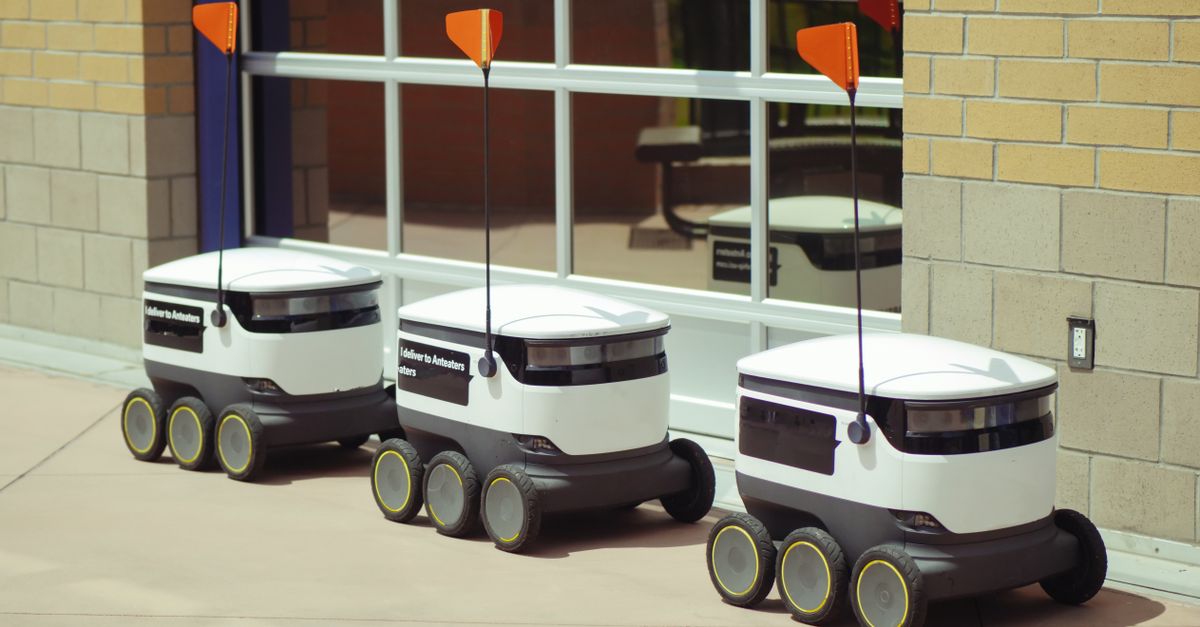
I’m excited to share my latest insights on how logistics robot rental is reshaping supply chains. From a user‑friendly robot leasing platform that lowers entry barriers to advanced robotics rental with AI capabilities, the landscape offers more flexibility than ever before. Whether you’re looking to lease robots or simply evaluate the option, this article breaks down the key advantages and practical steps for 2026.
Why Logistics Robot Rental is a Game Changer
Traditionally, companies invested heavily in warehouse automation—bought expensive machinery, hired specialists, and faced long maintenance cycles. Leasing robots flips that model. It allows firms to access cutting‑edge equipment without the upfront capital outlay or ownership liabilities. The result? Faster deployment, predictable budgeting, and the ability to scale operations up or down as demand fluctuates.
From a cost perspective, rental contracts often include maintenance, upgrades, and support services. That means you can avoid hidden expenses that typically surface after purchase. Additionally, leasing aligns with lean principles by turning fixed assets into variable costs, improving cash flow and reducing the risk of asset obsolescence.
Beyond financial benefits, leasing also mitigates operational risk. If a robot fails or becomes obsolete due to rapid technology cycles, you can simply return it or swap for a newer model without incurring depreciation losses. This flexibility is especially valuable in industries where demand spikes—such as e‑commerce during holiday seasons—or where product lines change frequently.
Cost Efficiency Breakdown
When comparing ownership to leasing, consider three main cost drivers: capital expenditure, operating expenses, and depreciation. Ownership requires a large upfront payment that is depreciated over several years—often leading to tax implications that may not align with your cash flow needs. Leasing converts the purchase into a series of predictable monthly payments, freeing up capital for other initiatives such as inventory expansion or workforce training.
Operating expenses also shift. A lease agreement typically bundles routine maintenance, firmware updates, and spare parts provisioning, meaning you pay a single fee instead of managing multiple vendor contracts. This consolidation reduces administrative overhead and eliminates surprise repair bills that can derail tight project budgets.
Depreciation is another critical factor. When you own equipment, the asset’s value erodes on paper over time, which can affect financial statements and tax deductions. In contrast, leasing eliminates depreciation concerns because the robot remains the vendor’s property; your lease expense is a purely operating cost that does not appear as an asset on your balance sheet.
Key Benefits of Logistics Robot Rental
- Immediate access to state‑of‑the‑art equipment: Deploy the latest models without waiting for procurement cycles.
- All-inclusive maintenance and support: One predictable fee covers hardware, software, and on-site assistance.
- Scalable capacity for seasonal spikes: Add or remove units quickly to match demand fluctuations.
- Predictable monthly expenses: Budgeting is simplified with fixed lease payments.
- Reduced capital expenditure requirements: Preserve cash flow for growth initiatives.
The Rise of User-Friendly Robot Leasing Platforms
While the concept of renting robots isn’t new, the platforms that facilitate it have evolved dramatically. A user-friendly robot leasing platform now offers a streamlined digital experience: from inventory browsing to contract signing and on-site deployment—all through an intuitive dashboard. This removes the need for specialized procurement teams.
These platforms typically feature real‑time availability data, customizable lease terms, and integrated training modules. They also provide analytics dashboards that track robot performance, usage hours, and return on investment metrics in real time. The transparency helps managers make informed decisions and optimize fleet utilization.
The user journey is designed to be frictionless. After creating an account, you can filter robots by payload, battery life, or specific functions such as palletizing or sorting. Each listing includes a detailed specification sheet, customer reviews, and a comparison tool that highlights differences between models side‑by‑side.
Essential Features of Modern Leasing Platforms
- Interactive catalog with detailed specs: Visuals, videos, and downloadable data sheets for each model.
- Flexible lease durations (months to years): Pay only as long as you need the equipment.
- Automated billing and invoicing: Seamless integration with your accounting system.
- On‑boarding training modules: Virtual labs, safety certifications, and hands‑on simulations.
- Performance analytics and reporting: Real‑time dashboards that flag anomalies or low utilization.
Digital Workflow Example
A typical workflow begins with a needs assessment wizard that asks about throughput, space constraints, and desired robot functions. The platform then filters available models, presenting side‑by‑side comparisons of payload capacity, battery life, and software compatibility. Once a selection is made, the user can sign an electronic lease agreement, schedule delivery, and receive a virtual onboarding session—all within 48 hours.
During deployment, the platform automatically generates a maintenance calendar that syncs with your warehouse management system (WMS). It also sends push notifications when firmware updates are available or when a robot’s battery health falls below a threshold. This proactive approach reduces downtime and keeps operations running smoothly.
Advanced Robotics Rental: What It Means for Your Operations
The term “advanced robotics rental” refers to the inclusion of highly capable machines—such as autonomous guided vehicles (AGVs), collaborative robots (cobots), and AI‑driven sorters. These units can handle complex tasks like palletizing, inventory scanning, and dynamic routing without human intervention.
Because they’re rented, companies can experiment with different robot types to identify the best fit for their workflow. This experimentation is critical in fast-moving industries where process improvements need rapid validation. By leasing, you also gain access to the latest hardware updates as vendors upgrade fleets without additional cost.
Typical Advanced Robotics Rental Offerings
- Autonomous guided vehicles (AGVs)
- Cobots for palletizing and packaging
- AI‑enabled sortation systems
- Mobile robotic pickers
- Vision-based inventory scanners
Case Study Snapshot
Consider a mid-sized fulfillment center that experienced bottlenecks during holiday peaks. By leasing a fleet of cobots for palletizing, the operator increased throughput by 20% without adding labor hours. The lease included firmware updates that enabled the robots to adapt to new product dimensions on the fly.
In addition, the same facility incorporated AGVs to transport pallets from receiving to staging areas. This reduced manual lifting incidents by 35% and cut cycle times for outbound shipments by an average of 12 minutes per order. The integrated analytics dashboard provided real-time visibility into each robot’s utilization, allowing managers to reallocate units during unexpected surges.
AI Robotics Leasing: Integrating Intelligence into Rentals
Artificial intelligence is the next frontier in robot leasing. AI robotics leasing incorporates machine learning models that optimize routing, predict maintenance needs, and adapt to changing warehouse layouts. When you lease an AI‑enabled robot, you receive not just hardware but also the software stack that continually improves performance.
This synergy reduces operational downtime and increases throughput. For example, a predictive maintenance model can alert operators days before a component failure would otherwise cause a halt. The result is smoother operations, lower labor costs, and a higher return on each leased robot.
Benefits of AI Integration in Leased Robots
- Predictive maintenance alerts
- Dynamic path optimization
- Real‑time inventory accuracy
- Scalable learning across fleets
- Reduced manual intervention
AI Architecture Overview
Most AI-enabled robots expose an API that streams telemetry—speed, load, temperature—to a cloud-based analytics service. The service aggregates data from the entire fleet, trains models on usage patterns, and pushes new algorithms back to each unit over secure wireless links. This closed-loop system means the robot’s performance improves over time without any onsite intervention.
Edge computing is increasingly used to reduce latency and bandwidth costs. By processing critical telemetry locally, robots can make real-time decisions—such as obstacle avoidance or load balancing—without waiting for cloud feedback. This hybrid approach combines the agility of on‑board intelligence with the power of centralized analytics.
Getting Started: Practical Steps to Lease Robots Today
If the idea of leasing robots feels new, start with a clear assessment of your operational needs. Identify bottlenecks—whether it's inbound loading, picking accuracy, or outbound scheduling—and match them to robot capabilities.
In my experience, building a cross-functional team that includes procurement, IT, and warehouse operations is essential. That team should review vendor proposals, evaluate lease terms, and negotiate support packages. Once approved, schedule a pilot deployment to validate performance before full rollout.
Checklist for Initiating a Robot Lease
- Define operational pain points
- Select robot types that address those gaps
- Form a multidisciplinary evaluation team
- Request proposals from vetted vendors
- Negotiate lease length and support clauses
- Plan pilot deployment and KPIs
- Implement training and change management
- Monitor performance and adjust as needed
Pilot Deployment Timeline
A typical pilot lasts 4–6 weeks. Week one focuses on integration with the WMS, week two on safety drills, and weeks three to five on data collection and analysis. Key metrics include cycle time reduction, error rate decrease, and robot utilization percentage.
During this period, the vendor’s remote support team should be available for troubleshooting. After data analysis, a post‑pilot review meeting will determine whether full-scale deployment is warranted or if adjustments—such as adding more units or tweaking software parameters—are necessary.
Common Mistakes to Avoid When Leasing Robots
Leasing can be a straightforward process, but pitfalls still exist. One frequent error is underestimating the total cost of ownership by ignoring hidden fees such as data bandwidth charges or software licensing costs. Another mistake is selecting robots that are over‑engineered for your current scale; this leads to wasted capacity and higher monthly payments.
Additionally, neglecting to align robot specifications with existing IT infrastructure can cause integration headaches. Ensure that the vendor’s APIs and data formats match your warehouse management system (WMS) before signing a lease agreement. Finally, failing to establish clear KPIs will make it difficult to measure ROI accurately.
Additional Pitfalls
- Inadequate safety planning—robots must meet OSHA or local regulations for confined spaces and human interaction.
- Ignoring space constraints—compact robots may be ideal, but a crowded aisle can still cause congestion.
- Overlooking training gaps—operators need hands‑on practice before full deployment.
- Underestimating data requirements—real-time telemetry can consume significant bandwidth if not managed properly.
The Future Outlook for Robot Leasing in Logistics
Looking ahead, I anticipate an acceleration in robot leasing driven by several factors: rising capital constraints post‑pandemic, increased demand for real‑time data, and the broader adoption of Industry 4.0 principles. Vendors will continue to bundle AI capabilities, making robots smarter and more autonomous over time.
Moreover, regulatory frameworks are likely to evolve to support remote operation and data security standards. Companies that embrace leasing early can position themselves as agile leaders capable of responding swiftly to market disruptions.
Emerging Trends
- Swarm robotics—small units working in coordinated groups for high-volume picking.
- Edge computing—processing telemetry locally to reduce latency and bandwidth costs.
- Subscription-based hardware‑as-a-service models that include data analytics as a core offering.
- Sustainable design—robots built with recyclable materials and energy-efficient motors.


