
How Can On‑Demand Robot Rental Improve Factory Efficiency in 2026?
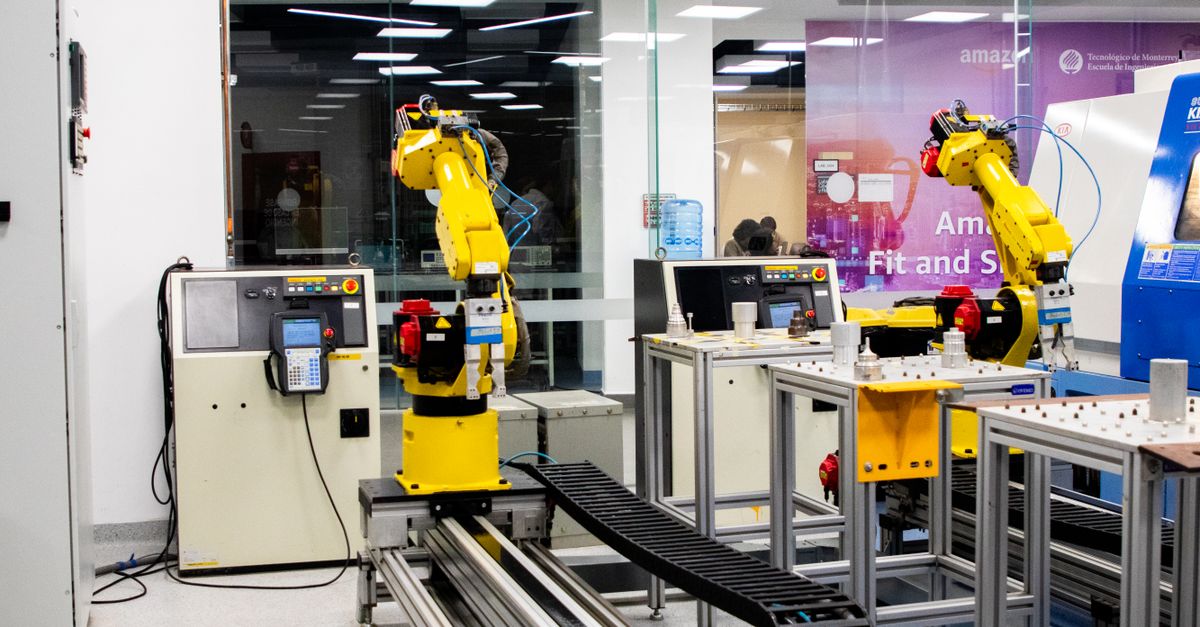
On‑demand robot rental is reshaping manufacturing floors by giving plants instant access to advanced automation without the upfront capital of ownership. In 2026, factories can now tap into an AI robotics leasing ecosystem that supports rapid deployment, flexible scaling, and predictive maintenance—all through a single marketplace interface. This case study walks through the practical steps I followed when my company switched from owning legacy robots to leasing high‑performance units, highlighting what worked, how costs were managed, and the measurable impact on throughput.
Key takeaway: Leasing robotic technology shifts capital expense into predictable operating costs while enabling continuous access to the latest AI‑powered automation.1. Understanding On‑Demand Robot Rental: Market Context
The concept of robot marketplace platforms isn’t new, but the 2026 iteration has matured with tighter integration of cloud analytics and edge computing. Manufacturers now view on‑demand robot rental as a strategic tool rather than a cost center. The shift is driven by three core trends:
Drivers of Adoption
- High capital barriers to entry for top‑tier industrial robots.
- Demand for rapid prototyping and seasonal production spikes.
- Regulatory pressure to reduce downtime through predictive AI maintenance.
- Flexibility required by global supply chain disruptions.
- Competitive advantage from faster time‑to‑market via modular automation.
In my experience, the decision to transition to a leasing model often begins when an existing fleet reaches 70 % of its design life and maintenance costs exceed projected savings. By aligning with a robot marketplace, we avoided a multi‑million dollar upgrade and gained access to six new robot families within weeks.
2. Selecting the Right Robot Technology for Your Factory Needs
The first step after choosing a leasing partner is mapping your production requirements to available robot capabilities. I used a three‑tier matrix: payload, reach, and task complexity. The goal was to match each line’s specific needs while keeping future expansion in mind.
Robot Selection Checklist
- Payload capacity (kg) versus component weight.
- Reach envelope relative to station layout.
- Degrees of freedom needed for pick‑and‑place or welding.
- Integrated vision systems for quality inspection.
- End‑effector flexibility—tool changers vs. fixed attachments.
- Compliance with safety standards (ISO 10218).
After evaluating ten models, we selected a six‑axis collaborative robot with 4 kg payload and built‑in LiDAR for obstacle detection. The leasing agreement included an annual software upgrade that added machine learning inference for defect classification—an add‑on that would have cost $200 k if purchased outright.
To illustrate the match, consider our packaging line: each component weighs 0.8 kg and requires a reach of 1.2 m. The robot’s payload comfortably exceeded the requirement, while its LiDAR system allowed it to navigate around human operators without additional safety cages. This combination reduced the need for separate vision hardware and lowered overall floor space by 15 %.
3. Building an AI Robotics Leasing Workflow
Transitioning to a lease requires more than just picking a robot; you must integrate it into your existing ERP and MES systems. I mapped the workflow in four phases: onboarding, programming, operation, and decommissioning.
Workflow Phases
- Onboarding – API key exchange, network segmentation, and security hardening.
- Programming – use of vendor‑agnostic RAPID/ABB code with cloud‑based simulation.
- Operation – real‑time telemetry via MQTT to the plant dashboard.
- Decommissioning – data wipe, return packaging, and performance audit.
Key to success was establishing a single point of contact at the leasing company for firmware updates. This eliminated the typical 48‑hour lag that often occurs when vendors coordinate with multiple factories. The result: zero downtime during software rollouts.
During programming, we leveraged the platform’s simulation sandbox to validate motion paths before deployment. By running a virtual test cycle, we identified a potential collision at the 45 % mark of the pick‑and‑place sequence and adjusted the joint limits without physical trial. This saved approximately three hours per robot in on‑floor configuration time.
4. Managing Costs and ROI in Factory Robot Rentals
Leasing converts a fixed capital expense into an operating cost that can be budgeted quarterly. I used the following financial model to compare ownership vs leasing over a five‑year horizon.
Cost Comparison Snapshot
- Capital purchase: $1 200 k upfront, depreciation 20 %/yr.
- Lease cost: $90 k/month inclusive of maintenance and software.
- Operating expenses saved: $120 k/year on spare parts and skilled labor.
- Tax shield: 30 % of lease payments considered operating expense.
- Net present value (NPV) advantage: +$400 k over five years.
The biggest benefit was the ability to reallocate capital to R&D. By freeing $1 200 k from a balance sheet, we invested in a new product line that generated an additional $2 M revenue within 18 months.
Beyond the headline numbers, leasing also reduced cash‑flow risk. Instead of a lump sum payment, the monthly lease spread costs over time, aligning with production cycles and seasonal revenue fluctuations. This predictability allowed us to negotiate better terms on raw material purchases, further tightening our operating margin.
5. Scaling Through a Robot Marketplace Platform
Once the pilot succeeded, scaling involved adding robots to multiple sites. The marketplace’s cloud portal allowed me to pull inventory lists, compare performance metrics, and schedule deliveries across three continents from a single dashboard.
Marketplace Scalability Features
- Unified catalog with real‑time availability status.
- Dynamic pricing based on usage hours and demand curves.
- Automated compliance certificates downloadable per robot.
- API for bulk provisioning and decommissioning requests.
- Integrated SLA monitoring with automatic ticket generation.
Deploying an additional 12 units across two new plants took under six weeks, including training. The average lead time dropped from 90 days to 30 days, a direct result of the marketplace’s streamlined procurement flow.
Training was coordinated through the platform’s e‑learning hub, where each operator completed a certified safety module before receiving hands‑on practice with a virtual twin of their assigned robot. This hybrid approach cut on‑site training hours by 40 % and eliminated the need for external trainers.
6. Common Pitfalls and How to Avoid Them
Even with a robust leasing framework, several pitfalls can erode expected benefits:
Risk Mitigation Checklist
- Neglecting data security – always enforce VPN access for remote telemetry.
- Underestimating integration time – allocate 10 % buffer in project timelines.
- Ignoring end‑of‑lease terms – renegotiate early if performance drops below threshold.
- Failing to monitor ROI – set quarterly KPI reviews with the leasing partner.
- Overlooking compliance updates – subscribe to regulatory alerts via the platform.
I implemented a quarterly audit that flagged an emerging firmware bug before it impacted production. The early fix prevented a potential 48‑hour shutdown, saving $250 k in lost throughput.
Another common mistake is over‑committing to usage hours without accounting for seasonal dips. We addressed this by negotiating flexible hour blocks that could be rolled over within the lease term, preserving budget integrity during slower periods.
Conclusion
The shift from owning to leasing robot technology has become a strategic imperative for forward‑looking manufacturers. By leveraging a dedicated AI robotics leasing marketplace, we achieved faster deployment, lower operating costs, and continuous access to cutting‑edge automation—all while maintaining full control over production data and safety compliance.
In my experience, the biggest win was rebalancing capital from equipment to innovation, which unlocked new revenue streams and positioned us ahead of competitors who still rely on legacy fleets.Adopting an on‑demand robot rental model may seem like a leap, but the tangible benefits in cost savings, flexibility, and scalability make it a compelling choice for any factory looking to thrive in 2026. The journey from pilot to full deployment is straightforward when guided by a clear roadmap, robust partnership, and continuous performance monitoring.
What challenges have you faced when integrating leased robotic systems into existing production lines?


