
How can warehouse robot leasing improve operational efficiency in 2026?
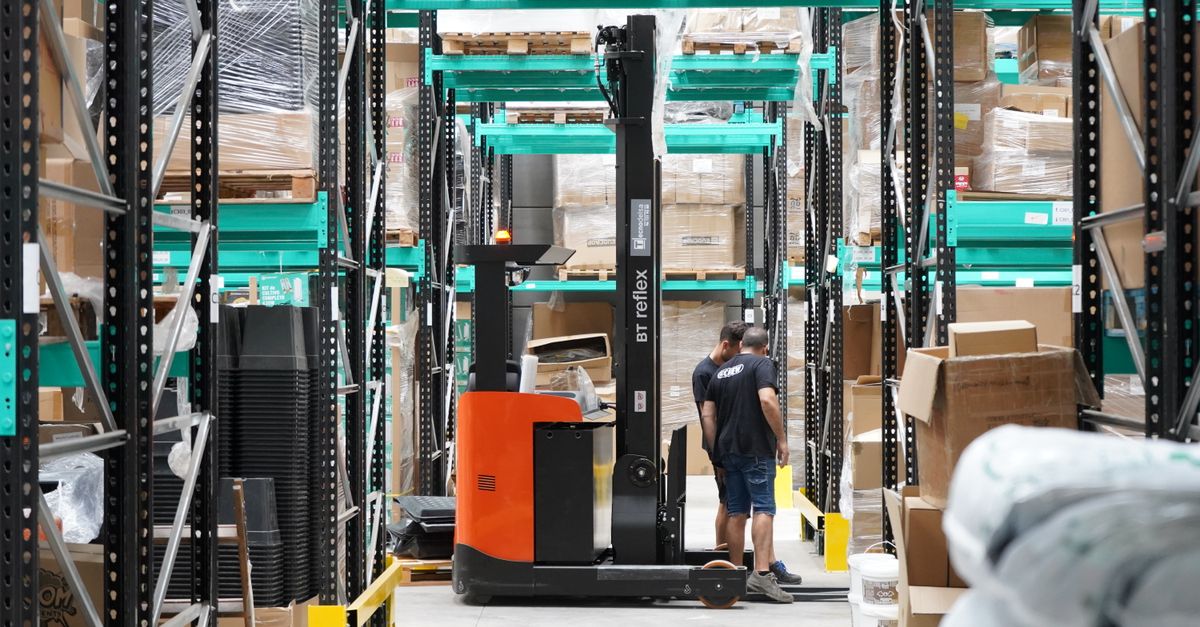
When goods volume rises and labor costs climb, warehouses turn to robotics to keep pace. Leasing robots—whether autonomous mobile units or collaborative arms—lets facilities upgrade technology without a hefty upfront cost. This article breaks down leasing options, compares marketplace and direct deals, and shows how to measure ROI so you can decide if robotics fits your operation.
1. AI Robotics Leasing: The Basics
A lease spreads robot costs over time. Instead of buying a fleet outright, you pay monthly fees that cover hardware, software updates, maintenance, and sometimes cloud services. This keeps capital tied to working assets and provides predictable budgeting.
The key components include:
Lease Structure Elements
- Hardware ownership: vendor retains title until lease end, lowering your CAPEX.
- Software licensing: bundled or separate fees covering AI model updates and analytics tools.
- Maintenance & support tiers: from basic uptime guarantees to full on‑site service with rapid response.
- Upgrade cycles: scheduled firmware updates and optional hardware refreshes that keep robots current.
Bundling these services reduces the administrative burden of managing a robotics fleet. For warehouses needing flexibility—such as seasonal spikes or pilot projects—leasing offers low risk while delivering advanced automation benefits.
2. Trusted Robot Marketplace vs Direct Purchase
You’ll encounter either a trusted robot marketplace or direct purchase from a manufacturer. A marketplace aggregates vetted vendors and offers standardized contracts, whereas a direct deal gives more control over specifications but requires deeper due diligence.
Marketplace advantages:
Benefits of Using a Trusted Robot Marketplace
- Curated vendor list: based on compliance, uptime, and reviews, reducing risk of an unproven supplier.
- Unified billing and reporting: simplifies finance operations across robot types.
- Bundled financing or leasing options from partner banks: can lower effective capital cost.
- Shared knowledge base: for best practices, troubleshooting, and community support.
Direct purchase advantages:
When Direct Purchase Makes Sense
- Highly customized solutions not in a marketplace catalog.
- Your organization can manage vendor relationships and long‑term contracts.
- Long‑term ownership aligns with asset planning and tax depreciation strategies.
Starting on a marketplace reduces risk and speeds deployment while still allowing transition to a direct deal as operations scale.
3. Warehouse Robot Leasing Models
Leasing comes in several flavors, each suited to different operational needs.
Common Lease Types for Warehouses
- Asset‑Based Lease (ABL): capitalized lease where the robot is recorded as an asset and depreciated over time, offering tax benefits but requiring balance sheet reporting.
- Operating Lease (OL): rent‑like arrangement with no residual value; ideal for short cycles or rapid technology changes.
- Service‑Based Lease: combines hardware rental with cloud‑managed AI services under a subscription that scales with data usage.
- Revenue‑Sharing Model: vendor takes a percentage of throughput gains in exchange for lower upfront costs, aligning incentives.
Selecting the right type hinges on cash flow, expected robot lifespan, and scaling speed. For example, an operating lease suits seasonal demand; an asset‑based lease fits steady volume; a service‑based lease reduces IT overhead with pay‑per‑use pricing.
4. Collaborative Robot Leasing Options
Cobots are designed to work side‑by‑side with human operators—lighter, more flexible, and safer than traditional arms.
Key Considerations for Cobot Leasing
- Payload & Reach: match cobot specs to average item weight and workspace; a 200‑kg payload may be overkill for small parts but needed for pallet assembly.
- Safety Certifications: look for ISO 10218‑2 compliance, built‑in force limits, and emergency stop mechanisms that meet local regulations.
- Integration Capability: verify API compatibility with existing WMS or ERP systems; seamless data flow reduces manual steps.
- Training & Support: vendors should provide on‑site training, remote diagnostics, and a dedicated account manager for troubleshooting.
The biggest ROI comes when cobots automate repetitive picking tasks, freeing workers for higher value work. I saw a 30% reduction in pick time after deploying lightweight cobots at a mid‑size fulfillment center.
Some vendors offer modular end‑effector options, allowing the same robot to switch between palletizing and sorting with minimal downtime—beneficial for facilities handling diverse product lines.
5. Operational Efficiency Gains & ROI
Leasing can deliver measurable gains; concrete metrics justify the spend.
Typical KPI Improvements with Robot Leasing
- Throughput: 20‑40% increase in items processed per hour from continuous operation and optimized routing.
- Labor Cost Reduction: 15‑25% drop in overtime and staffing needs during peak periods.
- Error Rate: 50‑70% decrease in picking errors thanks to precise sensor feedback.
- Asset Utilization: Robots operate 85‑95% of scheduled hours versus 60‑70% for manual labor, boosting overall productivity.
ROI calculation compares lease cost against savings from reduced labor, fewer returns, and improved cycle times. A simple breakeven formula is:
Breakeven Period (months) = Total Lease Cost / Monthly Savings
Most warehouses see a 12‑18 month period—a comfortable window for decision makers. Include indirect benefits such as reduced training time and higher employee satisfaction, which can be captured qualitatively.
6. Common Mistakes to Avoid in Leasing Decisions
Pitfalls can derail ROI even with solid data.
Top Errors I’ve Seen
- Underestimating Software Costs: leases often bundle software but omit cloud fees that rise with data volume or additional AI modules.
- Lack of Scalability Planning: choosing one robot type without future expansion leads to bottlenecks during demand spikes.
- Ignoring Vendor SLA Terms: skipping detailed uptime guarantees exposes you to costly downtime, especially in time‑sensitive fulfillment.
- Poor Change Management: failing to train staff on new workflows slows adoption and masks potential productivity gains.
Address these early and your lease will translate into real value. Conduct a risk assessment that includes contingency plans for hardware failure, software outages, or supply chain disruptions.
7. Choosing the Right Vendor
A vendor can make or break a robotics lease. Evaluate based on:
Vendor Evaluation Checklist
- Proven track record in warehouse deployments (case studies, references).
- Robust maintenance and support network with clear escalation paths.
- Transparent pricing with no hidden fees—review the contract’s addendum for optional services.
- Flexibility to adjust lease terms based on performance metrics or emerging technology.
- Compliance with local safety regulations, data security standards (e.g., ISO 27001), and industry‑specific certifications.
When negotiating, insist on a performance‑based clause that ties part of the lease cost to achieved KPIs. This aligns incentives and protects you from underperforming hardware while encouraging vendors to invest in continuous improvement.
8. Implementation Checklist
Deploying leased robots requires coordination across IT, operations, and finance.
Step‑by‑Step Deployment Plan
- Needs Assessment: map throughput, identify pain points, and set realistic target KPIs.
- Infrastructure Readiness: ensure adequate power supply, network bandwidth, and safety zones before robots arrive.
- Pilot Phase: lease 1–2 units for a trial period; monitor performance, gather operator feedback, and validate integration with existing systems.
- Full Roll‑Out: scale leasing agreements based on pilot results; align deployment with inventory cycles to avoid congestion.
- Training & SOP Development: update procedures, provide hands‑on sessions, and establish a knowledge transfer plan.
- Continuous Monitoring: use vendor dashboards to track uptime, error rates, maintenance alerts, and energy consumption.
- Periodic Review: reassess lease terms annually; renegotiate if performance exceeds expectations or newer models become available. Also review SLA adherence and cost‑benefit alignment.
This roadmap ensures you capture expected gains without disruptive surprises. Document each milestone so stakeholders see tangible progress toward strategic goals.
What metrics do you monitor most closely when evaluating a robotics leasing program?


