
How do dynamic robot rental solutions lower costs for industrial automation?
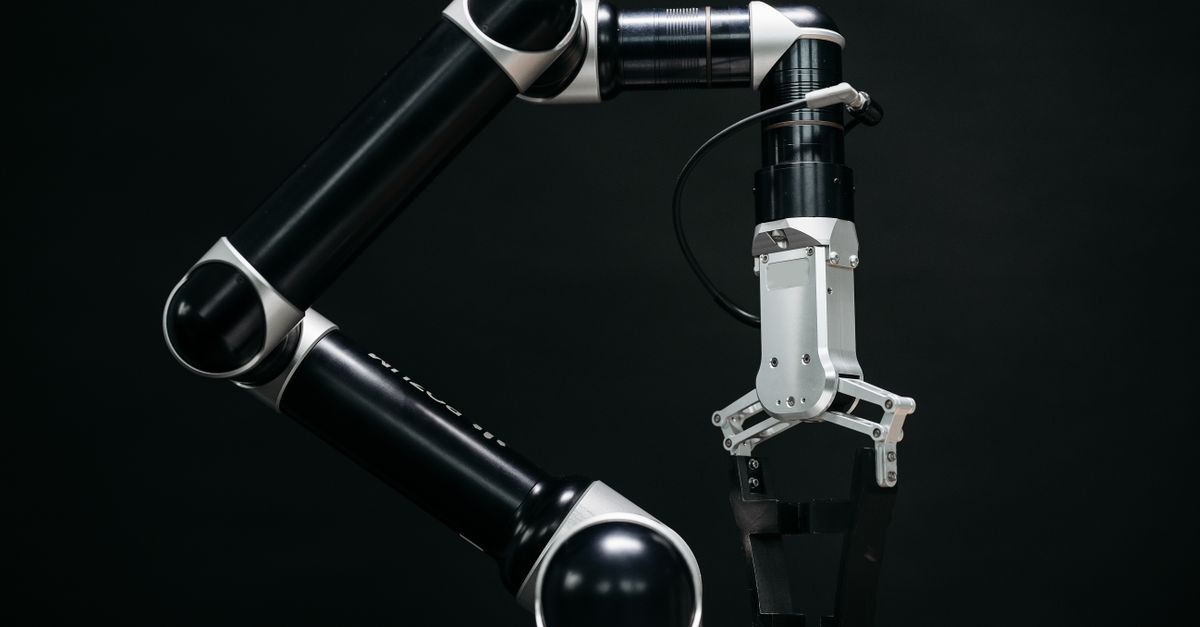
Industrial operators often hesitate to adopt robotics because the upfront purchase price, maintenance commitments, and risk of obsolescence create a high barrier to entry. In recent years, dynamic robot rental solutions have emerged as a practical alternative that lets businesses access advanced automation without large capital outlays. This article breaks down why rentals work, how to choose a provider, what ROI looks like, and the future trends that will shape the market.
Traditional Barriers to Robotics Adoption
Large manufacturing firms have historically bought robots as long‑term assets. The purchase price can range from $150,000 to over a million dollars for industrial manipulators, and that cost is just the beginning. Ongoing expenses include spare parts, firmware updates, tooling changes, and skilled labor to maintain the equipment. Moreover, technology advances quickly; a robot bought today may be out of date in two or three years, making the initial investment less valuable over time.
Beyond the financial hurdles, companies also face logistical challenges: space constraints, power distribution requirements, and certification processes that can delay deployment by months. The need for specialized integration engineers further compounds the upfront effort. As a result, many plants opt to keep manual or semi‑manual lines even when automation could deliver measurable gains.
What Dynamic Robot Rental Solutions Offer
Rental models shift the economics from capital expenditure (CapEx) to operating expense (OpEx). Instead of paying thousands upfront, companies pay a predictable monthly fee that covers hardware, software, and support. This structure allows businesses to:
Top Benefits of Robot Rentals
- Lower initial cash outlay.
- Access to the latest robot platforms without waiting for purchase cycles.
- Integrated maintenance and upgrades included in the lease.
- Scalable capacity—add or remove units as demand fluctuates.
- Reduced risk of obsolescence; equipment can be upgraded mid‑lease.
- Simplified budgeting with fixed monthly costs.
The result is a faster time to value and the ability to experiment with automation without locking in long‑term commitments. Additionally, because rental agreements often bundle cloud connectivity and analytics, operators gain real‑time visibility into performance metrics that were traditionally siloed within vendor support contracts.
Key Factors When Choosing a Rental Provider
If you’re considering a rental program, evaluate providers on criteria that directly impact performance and cost.
Top 8 Factors to Evaluate
- Robot Fleet Diversity: Availability of different robot models (Articulated, SCARA, Delta) suitable for your tasks. A broad fleet allows you to match the right end‑effector and payload to each application.
- Service Level Agreements (SLAs): Guaranteed uptime and response times for maintenance. Look for tiered SLAs that reward faster resolution for critical units.
- Technology Refresh Policy: Frequency of hardware upgrades during the lease term. Providers should clearly state whether a mid‑term refresh is optional or mandatory.
- Integration Support: Ability to connect robots with existing PLCs, MES, or cloud platforms. Compatibility with your control architecture reduces re‑engineering time.
- Pricing Transparency: Clear breakdown of monthly fees, usage limits, and potential overage charges. Hidden “run‑rate” costs can erode ROI if not disclosed upfront.
- Compliance & Safety Certifications: ISO 13849, IEC 61508, and local safety regulations. Compliance ensures that the robot can be safely integrated into existing lines without costly retrofits.
- Training & Documentation: On‑site training programs for operators and engineers. Comprehensive documentation accelerates troubleshooting and reduces downtime.
- Scalability Options: Flexibility to add or remove units without penalty. Contracts that include a “no‑penalty” expansion clause are ideal for seasonal peaks.
By scoring each provider on these items, you can objectively compare options and avoid hidden costs that erode ROI.
Implementation Roadmap for a Rental Program
A structured approach ensures smooth adoption. Below is a practical five‑step roadmap:
- Define Objectives: Quantify throughput gains, defect reduction, or cost savings you expect from automation. Use historical data to set realistic targets.
- Select Pilot Tasks: Choose repetitive, high‑volume operations that can be robotized quickly—such as palletizing, pick‑and‑place, or surface inspection.
- Engage Provider: Request a demonstration and negotiate SLA terms tailored to your pilot. Ask for case studies from similar industries to gauge performance consistency.
- Deploy & Integrate: Install the robot, run operator training, and connect to existing control systems. Verify safety interlocks, emergency stops, and network configurations before first production cycle.
- Measure & Iterate: Track key metrics (cycle time, uptime, cost per unit) and adjust usage or scale accordingly. Use a simple dashboard that aggregates data from the provider’s cloud portal for quick insights.
Iterating on a pilot before full rollout keeps risk low and builds confidence among stakeholders.
Return on Investment and Cost Metrics
Typical ROI calculations for robot rentals consider monthly lease fees against labor savings, defect reductions, and increased capacity. A common rule of thumb is that a well‑aligned rental program can pay back in 12 to 24 months. To illustrate:
- Monthly Lease Cost: $10,000 per unit.
- Labor Savings: $15,000 per month by replacing 3 operators.
- Defect Reduction Benefit: $2,500 per month from improved consistency.
- Net Monthly Benefit: $7,500.
- Payback Period: 1.33 years (16 months).
These figures vary widely based on application complexity and labor costs in your region. The key is to build a detailed cost‑benefit model before signing any lease, incorporating expected usage hours, maintenance allowances, and potential energy savings from more efficient motion planning.
Common Pitfalls and How to Avoid Them
Even with a solid plan, companies often fall into traps that reduce the expected value of robot rentals:
- Underestimating Integration Effort: Robots require networking, power, and safety fencing—factor these in early. Plan for a dedicated integration window to avoid production downtime.
- Ignoring Usage Limits: Some leases cap operating hours; exceeding limits can trigger costly overage fees. Monitor real‑time usage dashboards to stay within thresholds.
- Neglecting Training: Operators who are not comfortable with the new system can negate productivity gains. Schedule hands‑on sessions and provide refresher courses after a few weeks of operation.
- Choosing a Provider Without Upgrade Paths: If technology refreshes aren’t built into the contract, you may end up paying for outdated hardware. Verify that upgrade clauses are included and understand the associated costs.
Address these issues by building them into your contract negotiations and project planning stages. A well‑structured scope of work should outline responsibilities for both parties during each lifecycle phase.
Case Snapshots of Successful Rentals
Food Packaging Plant: The company leased a line of collaborative robots (cobots) to automate palletizing. Within three months, pallet throughput increased by 35%, and the plant avoided a $250,000 capital expense.
Automotive Supplier: Using a dynamic rental program, the supplier added two new pick‑and‑place units for an aftermarket parts line. The lease included quarterly firmware updates, ensuring the robots stayed compatible with evolving assembly software.
The Future: AI Integration and Predictive Maintenance in Rental Models
Rental providers are increasingly bundling AI analytics with their hardware. Predictive maintenance dashboards forecast component wear and schedule service before failure occurs, reducing downtime further. Some programs now offer “usage‑based” pricing where you pay per robot hour rather than a flat monthly fee, aligning cost even more closely with actual production.
Additionally, edge‑AI modules enable robots to adapt their motion profiles in real time based on sensor feedback, which can reduce cycle times by up to 15% in high‑precision tasks. Providers are also exploring blockchain‑based asset tracking to give customers a tamper‑proof record of maintenance events and firmware versions.
Key takeaway: Dynamic robot rentals convert large upfront costs into predictable operating expenses while providing flexibility to scale and upgrade as technology evolves.What is the biggest challenge your organization faces when considering a robotic rental program, and how have you addressed it?


