
How Do End-to-End Robot Leasing Solutions Improve Retail Operations in 2026?
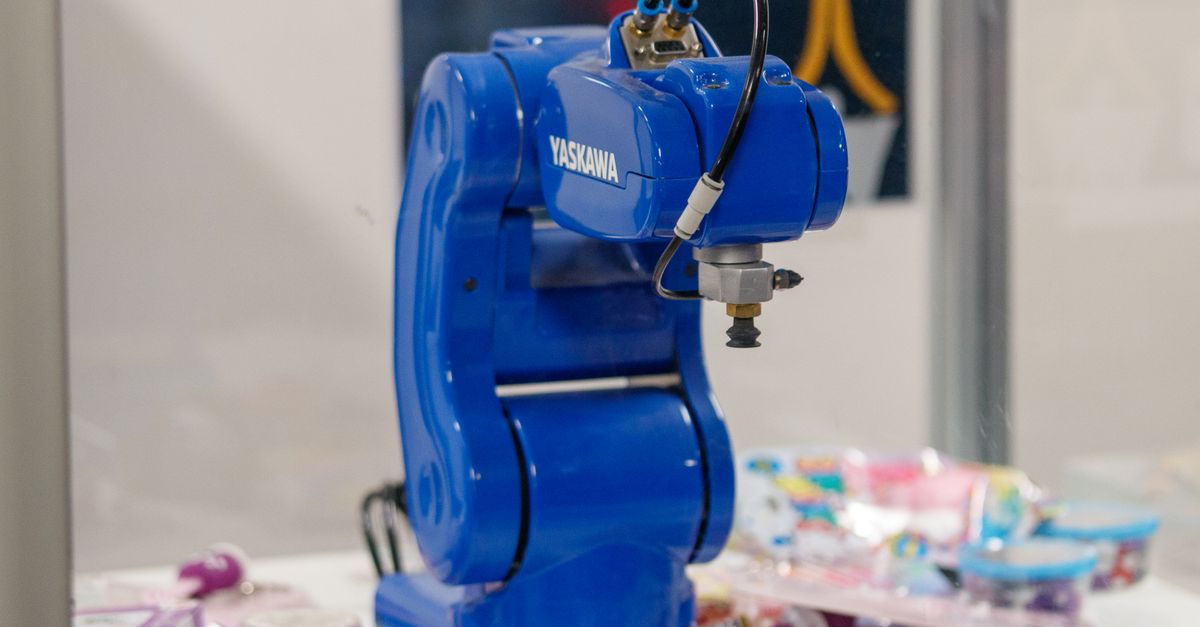
I’ve spent the last decade helping businesses scale with technology, and one trend that’s reshaping retail today is robotic leasing. If you’re looking at end‑to‑end robot leasing, trusted robot marketplace, or retail robot rental options, this article breaks down the core concepts, benefits, and pitfalls so you can decide if a lease fits your strategy.
What Is Robot Leasing?
Robot leasing is a financial arrangement where a retailer pays for the use of robotic assets—such as inventory bots or cashier assistants—without owning them. Think of it like renting a car: you get access to the technology, maintenance, and updates, while the lessor handles depreciation, insurance, and support.
Leasing models vary:
Types of Robot Leasing Contracts
- Pay‑per‑use: Charges based on operating hours or tasks performed. Ideal for seasonal spikes where you need extra capacity only during peak periods.
- Fixed‑term lease: Monthly or annual payments over a set period, often 12–36 months. Provides predictable budgeting and is suitable when the robot will be part of core operations throughout the term.
- Performance‑based lease: Fees tied to key performance indicators (KPIs) such as throughput or uptime. This aligns cost with value delivered but requires robust monitoring from day one.
- Hybrid models: Combine fixed fees with usage bonuses, allowing a balance between stability and flexibility.
Choosing the right model depends on cash flow, risk tolerance, and how integral robotics are to your business strategy. A small boutique might favor pay‑per‑use to avoid long commitments, while a national chain may opt for a fixed‑term lease that guarantees service levels across all locations.
The Value of End‑to‑End Robot Leasing
When I first explored robotic leasing solutions for a mid‑size retailer in 2023, I realized that an end‑to‑end robot leasing package can reduce upfront capital outlay by up to 70% compared with buying. The benefits include:
Key Advantages of End‑to‑End Leasing
- Capital preservation: Keep your balance sheet lean.
- Technology refresh: Upgrade robots every few years without a new purchase.
- Operational support: On‑site technicians and software updates included.
- Scalability: Add or remove units as demand fluctuates.
- Risk mitigation: Transfer warranty, insurance, and depreciation risk to the lessor.
These advantages translate into faster time‑to‑market for new robotic features and a more predictable operating budget. In practice, a retailer that swaps out an older scanning robot for a newer model can see a 15% increase in throughput without incurring a large capital expense.
Selecting a Trusted Robot Marketplace
A trusted robot marketplace is where you find vetted suppliers, transparent pricing, and standardized service level agreements (SLAs). The marketplace should act as an intermediary that guarantees quality and compliance, especially for safety‑critical retail environments.
Criteria to Evaluate a Marketplace
- Vendor diversity: Access to multiple manufacturers reduces dependency risk.
- Compliance certification: ISO 9001, UL, and local regulatory approvals.
- Transparent pricing: All fees disclosed upfront—no hidden maintenance costs.
- Performance data: Historical uptime, mean time to repair (MTTR), and customer reviews.
- Integration support: APIs that connect with POS, inventory, and analytics systems.
- Customer service: 24/7 helpdesk and dedicated account managers.
In my experience, the most reliable marketplaces also provide a sandbox environment for testing before committing to a lease. That extra step saves costly surprises when the robot enters live production. A typical pilot might run for four weeks with a small group of staff, during which you can confirm that the robot’s data feeds into your analytics platform and that safety interlocks function correctly.
Retail Robot Rental Use Cases & ROI
Retailers are deploying robots in several high‑impact areas: shelf‑stocking, checkout assistance, customer engagement kiosks, and even security patrols. Each use case has its own return‑on‑investment (ROI) profile.
Typical Retail Robot Rental Scenarios
- Inventory robots: Reduce labor hours by 30% on shelf audits.
- Cashier assistants: Cut checkout times by 25%, increasing throughput.
- Personal shoppers: Enhance customer experience and upsell opportunities.
- Security bots: Provide real‑time surveillance with lower staffing costs.
- Data collection units: Capture foot traffic patterns for better store layout decisions.
Calculating ROI involves comparing the lease cost plus any integration fees against savings in labor, error rates, and increased sales. A typical 12‑month lease can break even within six months if the robot reduces staff hours by at least 20% during high‑traffic periods. For example, a store that spends $4,000 per month on cashier labor could cut that expense to $3,200 with a leasing solution, freeing up budget for marketing initiatives.
Building Robotic Leasing Solutions Architecture
Integrating leased robots into existing retail technology stacks requires a clear architecture that covers data flow, security, and monitoring. I’ve built several solutions where robots report status back to a central dashboard using MQTT or RESTful APIs.
Core Architecture Components
- Edge gateway: Converts robot telemetry into cloud‑ready formats, compresses data, and handles intermittent connectivity.
- Cloud services: Stores logs, runs analytics, and triggers alerts. Many vendors offer serverless functions that scale automatically with the number of robots in use.
- Security layer: TLS encryption for data in transit, role‑based access control for dashboards, and audit logging to satisfy compliance audits.
- API hub: Enables integration with POS, ERP, and CRM systems so that robot events can influence order fulfillment or customer profiles.
- Dashboard & alerting: Real‑time visibility into uptime, battery levels, task completion, and predictive maintenance triggers.
This modular approach allows you to swap vendors or add new robot types without redesigning the entire system. For instance, if a retailer decides to introduce a new inventory model from a different manufacturer, only the API hub needs adjustment; the edge gateway and cloud services remain intact.
Leveraging Robot Leasing Analytics
The term robot leasing analytics refers to data‑driven insights that help retailers measure performance, predict maintenance, and optimize deployments. Effective analytics turn raw telemetry into actionable metrics.
Key takeaway: A well‑configured analytics pipeline can reduce unplanned downtime by up to 40% through predictive alerts.Essential Analytics Metrics
- Uptime percentage: Total operational time versus scheduled downtime.
- Task completion rate: Number of tasks finished successfully per hour.
- Energy consumption: Helps evaluate cost efficiency and battery health.
- MTTR (Mean Time to Repair): Speed of incident resolution.
- ROI drivers: Labor savings, sales lift, and error reduction quantified.
Advanced analytics can also feed into machine learning models that predict component failures before they happen, allowing proactive maintenance schedules that align with your retail calendar. For example, a pattern of increasing temperature readings in a robot’s motor might trigger an alert weeks ahead of an actual malfunction, giving you time to schedule downtime during a low‑traffic window.
Common Mistakes and Mitigation Strategies
Despite the clear benefits, many retailers fall into pitfalls when adopting robotic leasing. Avoid these common errors:
Top 5 Leasing Mistakes to Avoid
- Lack of a dedicated integration team: Without experts, you’ll struggle with data silos.
- Ignoring compliance requirements: Failing to meet safety standards can lead to costly recalls.
- Underestimating total cost of ownership: Omit hidden fees such as network upgrades or software licenses.
- Choosing a single vendor: Vendor lock‑in limits flexibility and bargaining power.
- Not setting clear KPIs upfront: Without metrics, you can’t prove ROI.
To mitigate these risks, start with a pilot program, document every cost component, and involve stakeholders from IT, operations, and finance early in the decision process. A phased rollout—beginning with one department, expanding to full‑store coverage after two months—helps uncover integration issues without impacting overall performance.
What specific metrics do you track when evaluating robot leasing performance in your retail environment?


