
How Does Leasing Robots Improve Warehouse and Retail Operational Efficiency?
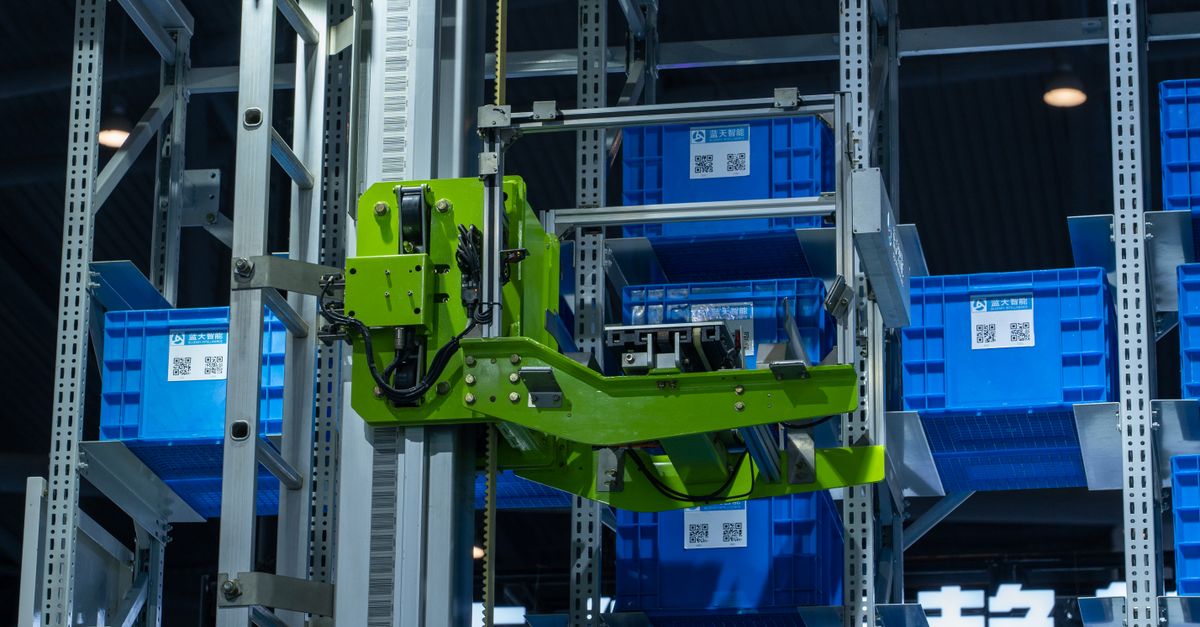
In today’s fast‑moving supply chains, the decision to lease or buy robotic solutions can make or break operational performance. The question isn’t whether robots are useful, but how you acquire them. Leasing offers flexibility, lower upfront costs, and a path to scale without tying up capital.
1. Robot Leasing vs Purchasing: What You Need to Know
When considering automation, the traditional route is to buy equipment outright. That requires significant capital expenditure (CapEx) and often results in underutilized assets as business needs shift. Leasing turns that model into an operational expense (OpEx), allowing you to pay monthly for usage rather than ownership.
The lease structure typically includes maintenance, software updates, and sometimes training—all bundled into the payment. This simplifies budgeting and reduces hidden costs associated with hardware failures or obsolescence.
Key Differences Between Leasing and Buying
- Capital vs Operational Expenditure
- Maintenance and Support Included in Lease
- Up‑to‑date Technology without Re‑purchase Cycles
- Scalability: Add or remove units as demand fluctuates
- Tax Treatment: Lease payments often deductible as business expenses
Choosing the right model depends on cash flow, growth plans, and how quickly you need to deploy solutions. In most cases, leasing delivers a smoother path to operational efficiency.
2. Types of Robots Common in Warehouse Operations
Modern warehouses use a range of robotic platforms—each tailored to specific tasks. Understanding the categories helps you match needs with the right lease offering.
Autonomous mobile robots (AMRs) navigate aisles, moving pallets or inventory between storage and picking stations. Collaborative robots (cobots) work side‑by‑side with humans on packing or quality control. Automated guided vehicles (AGVs) follow fixed paths for heavy lifting. Picking robots use vision systems to locate items in dense racks.
Typical Warehouse Robot Classes
- AMRs – Flexible navigation, dynamic routing
- Cobots – Human‑centric tasks, safety interlocks
- AGVs – Heavy payloads, predetermined paths
- Picking Robots – Vision‑based item retrieval
- Sorting & Conveyance Units – Automated product separation
When you lease a robot fleet, the vendor often bundles complementary systems—software, sensors, and integration services—to streamline deployment.
3. Benefits of Warehouse Robot Leasing for Operational Efficiency
Leasing robots delivers several tangible benefits that directly affect throughput, accuracy, and cost per order.
First, you eliminate the lag between technology release and adoption. Lease agreements often include upgrades after a set period, ensuring your warehouse operates on the latest hardware without additional purchase costs.
Second, operational flexibility increases. If seasonal demand spikes, you can add more units to the lease; if sales dip, you reduce the fleet—avoiding idle equipment expenses.
Operational Efficiency Gains from Leasing
- Reduced Cycle Times – Robots work continuously without breaks
- Higher Accuracy – Vision systems cut picking errors
- Lower Labor Costs – Automation frees staff for value‑added tasks
- Scalable Capacity – Add units with minimal setup
- Predictable Cash Flow – Fixed monthly payments ease budgeting
These gains translate into faster order fulfillment, improved customer satisfaction, and a stronger competitive position.
4. Cost Analysis & Return on Investment for Robot Leasing
Calculating ROI for a lease involves comparing total cost of ownership (TCO) against expected savings. TCO includes lease payments, maintenance, training, and integration, while savings stem from labor reduction, fewer errors, and faster throughput.
For example, leasing an AMR at $2,000/month with a 3‑year term totals $72,000. If the robot reduces labor hours by 10% in a warehouse generating $500,000 in annual revenue, the cost savings can quickly offset the lease expense within 12 months.
ROI Calculation Framework
- Monthly Lease Cost x Number of Units = Total Lease Expense
- Labor Hours Saved x Hourly Wage = Labor Savings
- Error Reduction Rate x Order Value = Quality Savings
- Throughput Increase x Revenue per Order = Sales Growth
- Total Savings – Total Lease Expense = Net ROI
In practice, most businesses see a positive cash flow within 12 to 18 months of deployment.
5. Choosing the Right Leasing Partner and Contract Terms
Your lease partner determines reliability, support quality, and flexibility. Look for vendors with proven track records in your industry and transparent contract language.
Key contract elements include:
- Lease Duration – Short‑term to long‑term options
- Upgrade Path – How often new models are introduced
- Maintenance Schedule – Preventive vs reactive service
- Termination Clauses – Exit strategy if business needs change
- Performance Metrics – SLAs for uptime and response time
Ask for case studies or references from similar warehouses. A strong partner will also provide training modules and integration support to minimize downtime.
6. Operational Efficiency Robots Across Industries: Beyond Warehousing
While warehouses are the most obvious candidates, operational efficiency robots find roles in retail, manufacturing, healthcare, and event management. Each sector adapts robot capabilities to its unique workflow.
Retail stores use mobile robots for inventory audits or shelf‑stocking. Manufacturing plants deploy cobots on assembly lines for repetitive tasks. Hospitals employ autonomous carts for medication transport. Event venues integrate robots for crowd control or interactive displays.
Industry‑Specific Robot Applications
- Retail – Shelf scanning, customer assistance kiosks
- Manufacturing – Part handling, quality inspection
- Healthcare – Automated delivery of supplies, sterilization
- Event Management – Live‑stream drones, interactive guides
- Logistics – Dock‑side automation, cross‑dock robots
The common thread is that leasing allows each industry to experiment with robotics without committing significant capital.
7. Retail Robot Rental Use Cases and Benefits
Retailers often need short‑term robotic solutions for seasonal spikes or new store openings. Renting a robot fleet can fill gaps quickly, providing real‑time inventory visibility and customer engagement.
For instance, during holiday sales, a retailer might rent autonomous forklifts to handle increased stock movement. After the peak period, the equipment is returned without any residual ownership costs.
Retail Robot Rental Scenarios
- Seasonal Stocking – Automated pallet movers for holiday influx
- Pop‑Up Stores – Mobile robots for inventory setup and teardown
- In‑Store Experience – Interactive kiosks or guided tours powered by cobots
- Event Promotion – Robots that engage shoppers with product demos
- Data Collection – Vision systems for real‑time shelf analytics
The flexibility of rental contracts aligns well with the fast‑changing retail landscape.
8. Event Robot Integration: Deploying on a Short-Term Basis
Large events such as conferences, festivals, or product launches require temporary automation to manage logistics and enhance attendee experience. Leasing robots for event integration offers immediate deployment without long‑term commitments.
A typical event might use drones for aerial photography, autonomous carts for catering delivery, or interactive robots that guide guests through exhibits. By leasing these units, organizers avoid the expense of purchasing equipment they’ll only use once.
Event Robot Deployment Checklist
- Define Objectives – Logistics support, engagement, data capture
- Select Robot Types – Drones, carts, interactive bots
- Coordinate with Vendor – Ensure on‑site setup and maintenance
- Integrate with Event Tech Stack – APIs for live feeds or data analytics
- Plan Safety Protocols – Crowd control and emergency procedures
Post‑event, the equipment is returned, and the vendor handles decommissioning, leaving event planners free to focus on core programming.
9. Common Mistakes When Leasing Robots and How to Avoid Them
Even with a solid leasing strategy, pitfalls can erode expected benefits:
- Underestimating Training Needs – Robots require staff familiarity to reach peak performance
- Ignoring Integration Complexity – Seamless software integration is critical for data flow
- Choosing the Wrong Lease Term – Short terms may lock you into high rates; long terms risk obsolescence
- Overlooking Maintenance Costs – Some leases exclude certain types of repairs, leading to hidden charges
- Failing to Track KPIs – Without clear metrics, it's hard to measure ROI
To sidestep these issues, conduct a thorough needs assessment, involve cross‑functional teams in the selection process, and negotiate transparent contracts that align with your operational goals.
10. Future Trends: What’s Next for Robot Leasing?
The robot leasing market is evolving rapidly. Emerging trends include:
- Edge AI Integration – On‑board processing reduces reliance on cloud connectivity
- Subscription Models – Pay‑per‑use or tiered plans based on performance metrics
- Hybrid Fleets – Combining leased and owned units for optimal flexibility
- Sustainability Focus – Energy‑efficient robots with low carbon footprints
- Predictive Maintenance – Lease agreements incorporating IoT sensors to preempt failures
Staying ahead of these trends will allow you to negotiate better terms, access cutting‑edge technology earlier, and maintain a competitive edge.
The most critical takeaway: Leasing robots transforms automation from a capital gamble into an operational lever that can be adjusted, scaled, and optimized on demand.In my experience, the first month after deploying leased AMRs in a mid‑size distribution center reduced labor hours by 12% and cut order cycle time by 18%. The vendor’s integrated training program was key to getting those numbers quickly.
What challenges have you faced when integrating leased robots into existing workflows, and how did you address them?


