
How does manufacturing robot leasing boost operational efficiency?
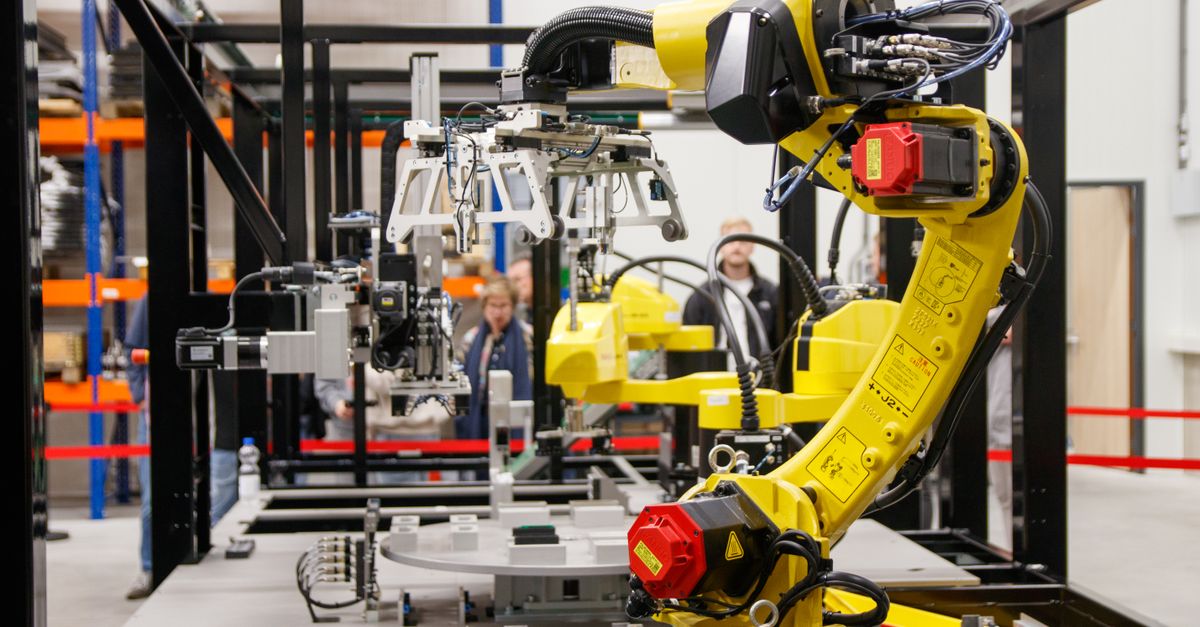
When a factory faces rising labor costs, fluctuating demand, or the need to scale quickly, manufacturing robot leasing often becomes the decisive factor. Instead of committing a large capital outlay for permanent equipment, companies can rent robotic solutions that fit their current production volume and technology requirements. This approach not only preserves cash flow but also provides access to the latest automation advancements without long‑term risk.
In today’s fast‑moving manufacturing environment, flexibility is no longer an advantage—it’s a necessity. By choosing leasing over ownership, businesses can quickly adapt to seasonal peaks, experiment with new product lines, or respond to supply chain disruptions, all while maintaining lean operational budgets. The result: higher throughput, lower defect rates, and a workforce that focuses on value‑added tasks rather than repetitive chores.
What Is Manufacturing Robot Leasing?
Manufacturing robot leasing is a contractual arrangement where a business rents industrial robots or automated systems for a predetermined period. The lease covers procurement, installation, training, maintenance, and sometimes upgrades. Unlike ownership, the lessee does not bear the residual value risk; instead, the lessor assumes depreciation and obsolescence.
Key Benefits of Manufacturing Robot Leasing
- Capital preservation: No large upfront purchase frees working capital for other strategic initiatives.
- Access to cutting‑edge technology: Lease packages often include the latest models and firmware updates, ensuring your line stays competitive.
- Built‑in maintenance and support: The lessor handles routine service, reducing downtime and internal labor costs.
- Scalable capacity: Add or remove units as demand shifts without long‑term commitments.
- Predictable operating expenses: Fixed lease payments simplify budgeting and forecasting.
These advantages align directly with the goal of operational efficiency robots, enabling factories to streamline processes while keeping budgets flexible. In practice, a well‑structured lease can be as simple as an annual subscription that covers all aspects of robot operation.
Key Advantages for Operational Efficiency
Operational efficiency hinges on reducing cycle time, minimizing downtime, and maximizing throughput. Robot leasing delivers these benefits by providing high‑precision equipment that operates continuously with minimal human intervention.
- Reduced Labor Hours: Robots handle repetitive tasks, freeing workers for value‑added activities such as quality inspection or process optimization.
- Consistent Quality: Automation eliminates human variability, lowering defect rates and rework costs.
- Lowered Training Time: Lease packages often include operator training modules that accelerate skill acquisition.
- Rapid Deployment: Installation timelines can be compressed compared to purchasing and customizing hardware.
The net effect is a leaner production line that adapts quickly to market shifts, a core advantage of automation solutions rental. Moreover, because leases typically bundle analytics tools, managers gain real‑time visibility into performance metrics, allowing them to make data‑driven adjustments on the fly.
Professional Robot Leasing vs. Traditional Purchasing
When evaluating whether to lease or buy, consider the total cost of ownership (TCO). A purchase requires upfront capital, ongoing maintenance, and eventual disposal costs. Leasing distributes expenses over time and includes service bundles that reduce hidden costs.
- Capital vs. Operating Expense: Lease converts CAPEX to OPEX, preserving balance‑sheet flexibility.
- Maintenance Responsibility: Lessors handle firmware updates and repairs, freeing internal teams from routine upkeep.
- Scalability: Leasing allows easy addition or removal of units as demand changes without the need for large capital expenditures.
- Residual Value Risk: Leased equipment avoids depreciation liability; the lessor absorbs obsolescence risk.
For many manufacturers, the professional robot leasing model offers a more agile and financially predictable path to automation than traditional purchasing routes. By aligning cost with actual usage, companies can better match their investment to production reality.
Robot Leasing Analytics: How Data Drives Decisions
The decision to lease should be data‑driven. Robot leasing analytics provides real‑time metrics that help managers assess performance, cost savings, and ROI.
- Utilization Rates: Percentage of time the robot is active versus idle; high utilization indicates efficient use.
- Mean Time Between Failures (MTBF): Indicator of reliability; longer MTBF means fewer interruptions.
- Cost per Unit Produced: Direct link between automation and unit economics, allowing precise cost allocation.
- Energy Consumption: Helps evaluate efficiency gains and environmental impact.
- Return on Investment Timeline: Calculated from cost savings versus lease payments; provides a clear financial horizon.
By monitoring these KPIs, companies can negotiate better terms, schedule preventive maintenance, and justify future investments in additional robotic assets. Analytics dashboards integrated into existing MES or ERP systems further streamline decision making by offering consolidated views of machine performance across the plant.
Choosing the Right Automation Solutions Rental Provider
A reputable provider delivers more than just a robot; they offer a partnership that includes integration support, training, and ongoing analytics. Here are critical factors to assess:
- Financial Stability of the lessor—ensures continuity of service over the lease term.
- Range of robotic platforms (articulated, SCARA, delta) to match your process needs.
- Customization options for specific processes, such as tailored end‑effector solutions.
- Service Level Agreements (SLAs) covering uptime and response times—clear metrics protect against unexpected downtime.
- Historical customer satisfaction and case studies—provide evidence of proven performance.
- Data security measures for proprietary production data—critical in industries where IP is a competitive advantage.
Choosing a provider with proven expertise reduces onboarding time, accelerates ROI, and ensures that the leased robots align seamlessly with your operational goals. A structured vendor evaluation matrix can help quantify each criterion and facilitate transparent decision making.
Common Mistakes to Avoid in Robot Leasing Agreements
Leasing agreements can be complex. Skipping due diligence or misreading contract clauses leads to cost overruns and operational hiccups.
- Ignoring Hidden Fees: Some leases include extra charges for overtime, power usage, or early termination; read the fine print carefully.
- Underestimating Training Needs: Operators may require more extensive training than anticipated—plan for a buffer period.
- Failing to Define Maintenance Responsibilities Clearly: Clarify who handles firmware updates versus hardware repairs.
- Overlooking End‑of‑Lease Options: Buyback, upgrade, or return terms can impact long‑term cost; negotiate favorable exit clauses.
- Not Aligning Lease Duration with Production Forecasts: Short leases may lead to frequent renegotiations while long leases risk paying for unused capacity.
A thorough review of the contract and a clear understanding of your production schedule will safeguard against these pitfalls. Engaging legal counsel or an experienced procurement advisor can further reduce exposure to unfavorable terms.
Case Study: A Mid‑Sized Manufacturer’s Transition to Robot Leasing
Acme Components, a 250‑employee metal fabrication firm, faced seasonal demand spikes that strained its manual labor force. In early 2026, they entered a two‑year lease with a leading robotics provider for six articulated arms.
- Implementation: Installation took 12 weeks, overlapping with ongoing production to avoid downtime; the lessor supplied on‑site technicians who integrated the robots into the existing assembly line without halting operations.
- Results: Cycle time decreased by 28%, and defect rates dropped from 3% to 0.8%; throughput increased by 22% while labor hours fell by 18%.
- Financials: Lease payments were $1.5M annually versus an estimated $4M purchase cost, freeing capital for R&D; operating expenses became predictable with fixed monthly installments.
- ROI was achieved in 18 months, with a payback period of just nine months after factoring in labor savings and reduced scrap costs.
The success story underscores how automation solutions rental can accelerate operational excellence without the burden of ownership. Moreover, the lease included an analytics module that tracked MTBF and energy usage, enabling Acme to continuously fine‑tune robot performance throughout the contract period.
Practical Steps to Implementing Robot Leasing in Your Facility
Deploying robot leasing effectively requires a structured approach. Below is a step‑by‑step plan that covers assessment, negotiation, and integration.
- 1. Process Mapping: Identify high‑volume repetitive tasks suitable for automation; use value‑stream mapping to quantify potential time savings.
- 2. ROI Modeling: Use my own spreadsheets to compare lease versus purchase scenarios, incorporating factors such as maintenance costs, energy consumption, and labor savings.
- 3. Vendor Shortlisting: Evaluate providers based on the criteria outlined earlier; request proposals that detail service levels, upgrade paths, and data analytics offerings.
- 4. Pilot Program: Lease a single unit for a three‑month trial before scaling; monitor utilization, MTBF, and energy usage to validate assumptions.
- 5. Training & Change Management: Conduct hands‑on workshops with operators and maintenance staff; involve end users early to build confidence and reduce resistance.
- 6. Integration Testing: Verify that the robot interfaces correctly with existing MES and ERP systems; test data flow, command sequences, and safety interlocks.
- 7. Analytics Setup: Install sensors and dashboards to track utilization, MTBF, energy use, and production metrics; ensure data feeds into a central reporting platform for continuous monitoring.
Following this roadmap ensures a smooth transition and maximizes the benefits of robotic automation. By iterating on each step—especially the pilot phase—you can refine your strategy before committing to full deployment.
Future Trends: 2026 and Beyond for Robot Leasing
The leasing landscape is evolving rapidly. Key trends shaping the next five years include:
- AI‑Driven Predictive Maintenance: Lease agreements now incorporate machine learning models that predict failures before they occur, reducing unplanned downtime.
- Sustainability Metrics: Eco‑friendly robots with lower carbon footprints are becoming standard in lease packages; many lessors report energy savings of 10–15% compared to older models.
- Modular Robotics Platforms: Flexible, plug‑and‑play units can be reconfigured for multiple tasks, allowing a single robot to perform welding, pick‑and‑place, and inspection across different product lines.
- Financing Innovations: Tokenization and blockchain-based leasing contracts offer greater transparency; these technologies enable real‑time tracking of lease terms and performance metrics.
Manufacturers who stay ahead of these trends will maintain a competitive edge in operational efficiency. Embracing AI, sustainability, modularity, and new financing mechanisms can transform robot leasing from a cost center into a strategic growth lever.
Key Takeaway: Leasing industrial robots transforms capital constraints into scalable, data‑driven automation that delivers measurable gains in productivity and quality.What is the most critical KPI you track when evaluating a robot leasing program?


