
How Should Companies Choose a Rental Robot Solution for Their Industry?
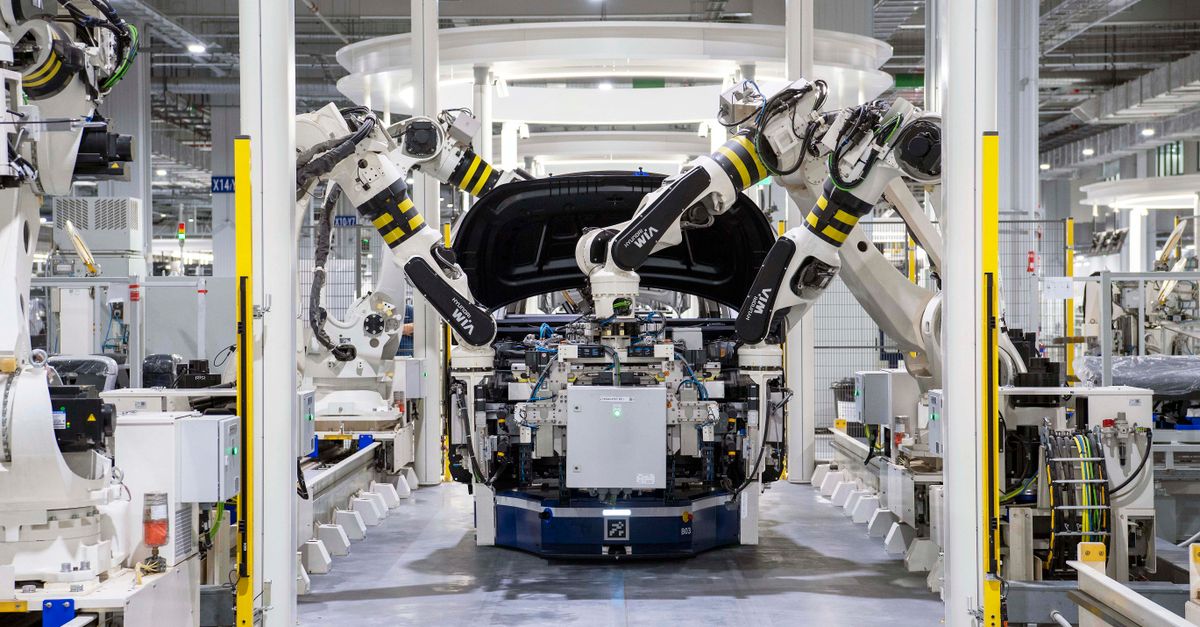
In 2026, more industries are turning to rental robots for their operations than ever before. Whether you’re in manufacturing, logistics, healthcare, or construction, autonomous robot solutions can increase throughput, reduce labor costs, and improve safety. The challenge is selecting a leasing model that fits your budget, compliance needs, and growth trajectory. I’ve spent years building and scaling businesses around automation, so here’s a practical guide to help you decide.
Beyond the obvious savings, many firms report that integrating robots early on shifts their entire approach to process improvement. Instead of treating automation as an isolated upgrade, they weave robot capabilities into continuous improvement cycles, making each new deployment a learning opportunity for future projects.
Why Industries Need Robots Today
The global push toward Industry 4.0 has made automation essential for staying competitive. Traditional equipment is rigid and costly, while robots offer modularity and scalability. In my experience, companies that adopted autonomous robot solutions early saw a 30% reduction in cycle times within the first year.
Use Case Examples
- Manufacturing: AGVs ferrying components between assembly cells, freeing human workers for quality inspections.
- Logistics & Warehousing: Cobots assisting pick‑and‑pack lines to maintain high throughput during peak seasons.
- Healthcare: Service robots delivering medication and linens within hospital corridors, reducing staff exposure.
- Construction: Autonomous bricklaying machines executing repetitive tasks with consistent precision on site.
Key Benefits of Rental Robots
- Cost‑Efficient Capital Allocation: No upfront purchase; pay only for usage. This model keeps capital reserves available for other strategic initiatives, such as research and development or market expansion.
- Rapid Deployment: Installation can be completed in days, not months. Because the provider handles hardware installation and configuration, your team can begin testing almost immediately.
- Technology Refresh: Leverage the latest models without long‑term commitment. As firmware updates roll out, you automatically receive performance improvements and new features.
- Risk Mitigation: Maintenance and downtime are handled by the provider. This reduces the operational burden on your maintenance staff and ensures that any fault is addressed promptly.
These benefits translate into tangible ROI for most mid‑size enterprises. The next step is to compare rental versus purchase models.
Rental vs. Purchase Model – Cost, Flexibility, Risk
Choosing between owning and leasing a robot involves more than just the sticker price. Here’s how they stack up across critical dimensions:
Decision Factors for Leasing
- Initial Capital Outlay: Lease payments spread over time reduce cash‑flow impact.
- Operational Flexibility: Scale units up or down with business cycles.
- Maintenance Responsibility: Vendor handles repairs, freeing internal resources.
- Compliance and Certifications: Providers keep equipment up to date with safety standards.
- Data Ownership: Clarify who owns operational data generated by the robot.
For many companies, the predictability of monthly leases outweighs the ownership benefits, especially when technology evolves quickly. However, long‑term use can sometimes make purchase cheaper if you can spread depreciation over a decade.
Comparative Table (Illustrative)
| Factor | Lease | Purchase |
|---|---|---|
| Cash Flow Impact | Low upfront, predictable monthly payments | High upfront cost, amortized via depreciation |
| Technology Refresh Rate | Automatic upgrade at lease end | Manual upgrade; requires new capital outlay |
| Maintenance Responsibility | Vendor‑handled | In-house or contracted |
| Data Control | Shared (depends on SLA) | Full control by owner |
| Tax Treatment | Lease payments may be fully deductible as operating expense | Capital depreciation and interest deductions over time |
This simple matrix helps decision makers quickly see where the value lies for their specific situation.
Key Types of Robots Available for Lease
The robot marketplace now offers dozens of specialized solutions. Selecting the right one requires understanding your workflow and safety requirements.
Common Robot Classes in 2026
- Automated Guided Vehicles (AGVs): Ideal for material transport between warehouses. They typically feature laser‑based navigation, load‑sensing capabilities, and can operate on fixed or flexible paths depending on the lease package.
- Collaborative Robots (Cobots): Work safely alongside humans on assembly lines. Cobots are equipped with force sensors and vision systems that allow them to adapt in real time to human presence.
- Drones: Perform inventory audits, inspections, and delivery tasks. Lease terms often include battery replacement cycles and software updates for flight safety compliance.
- Inspection & Maintenance Robots: Navigate tight spaces for HVAC or pipeline checks. These robots bring onboard high‑resolution imaging and sensor suites that reduce manual inspection time by up to 70% in pilot studies.
- Service Robots: Deliver food, med‑supply, or cleaning services in hospitals. They integrate with hospital information systems via API for seamless task scheduling.
- Construction Robotics: Laying bricks, concrete spraying, and site surveying. Their lease packages may include specialized equipment such as GPS modules for precise positioning on uneven terrain.
Each class comes with distinct leasing terms and operational constraints. For instance, AGVs often have higher upfront lease rates but lower maintenance costs compared to drones that require frequent battery swaps.
Building a Robot Marketplace Ecosystem
A robust robot marketplace simplifies the procurement process by aggregating vendors, pricing models, and support options. When evaluating such platforms, look for these core features:
Essential Marketplace Features
- Transparent Pricing Engine: Compare lease rates across providers in real time.
- Compliance Dashboard: Track safety certifications and regulatory updates.
- Fleet Management Tools: Monitor robot health, location, and usage metrics.
- Support & SLA Visibility: Clear service level agreements for uptime and response times.
In my experience, the best marketplaces also offer integration APIs that let you pull telemetry data directly into your existing ERP or MES systems. This seamless data flow is crucial for optimizing operations post‑deployment.
Vendor Evaluation Checklist
- Experience in your industry sector.
- Track record of uptime and incident response times.
- Availability of local support centers or remote monitoring teams.
- Data security certifications (ISO 27001, SOC 2).
- Flexibility to adjust lease terms based on usage spikes.
Using this checklist during the marketplace search helps you narrow down options quickly and ensures alignment with your long‑term operational goals.
Implementation Roadmap – From Assessment to Integration
Once you’ve chosen a robot class and leasing partner, the next step is a structured rollout that minimizes disruption and maximizes value.
Step‑by‑Step Implementation Plan
- Needs Analysis: Map current processes and identify automation gaps. Use process mapping tools to capture every handoff point where a robot could reduce cycle time.
- ROI Modeling: Forecast savings versus lease costs over 3‑5 years. Include indirect benefits such as reduced overtime, lower defect rates, and improved safety incident metrics.
- Pilot Deployment: Start with a single unit in a controlled environment. Establish baseline performance metrics before the robot is introduced.
- Training & Change Management: Equip staff to work alongside autonomous systems. Conduct hands‑on workshops that cover basic troubleshooting and safety protocols.
- Data Integration: Connect robot telemetry to your analytics stack. Use standard data formats (e.g., JSON over MQTT) so you can aggregate performance across multiple robots.
- Performance Review: Adjust parameters based on real‑world metrics. For example, tweak AGV speed settings if the payload is heavier than anticipated.
- Scale Out: Add more units or expand into new departments. Use the lessons learned from pilots to refine deployment schedules and resource allocation.
Key Performance Indicators (KPIs)
- Cycle time reduction per task.
- Robot uptime percentage.
- Mean time between failures (MTBF).
- Cost savings versus projected lease expenses.
- Employee satisfaction score regarding new technology adoption.
Tracking these KPIs ensures that you stay on target and can justify further investment to stakeholders.
Common Pitfalls and Mitigation Strategies
Even with careful planning, several pitfalls can derail a robot leasing program. Here’s how to avoid them:
Typical Mistakes and Fixes
- Ignoring Regulatory Changes: Subscribe to compliance alerts from the provider. Regularly review updates on safety standards such as ISO 10218 for industrial robots.
- Underestimating Training Needs: Allocate at least 20% of project budget for upskilling. Consider certification courses that cover both robot operation and basic maintenance.
- Overlooking Data Security: Verify encryption standards (TLS 1.2+), role‑based access controls, and secure storage practices. Ensure the vendor’s cloud services comply with GDPR or HIPAA where applicable.
- Choosing the Cheapest Option: Factor in total cost of ownership—maintenance fees, integration costs, data handling expenses, and potential downtime penalties.
- Failing to Plan for Scale: Ensure the lease contract allows rapid expansion. Look for clauses that let you add units without renegotiating the entire agreement.
By following this structured approach—starting with a clear assessment, selecting the right leasing model, leveraging a robust marketplace, and executing a disciplined implementation—you can unlock significant operational efficiencies without the heavy burden of ownership. The future belongs to those who turn automation into a strategic asset rather than an expensive line item.
What challenges have you faced when integrating rental robots into your existing workflows?


