
Long-Term Robot Leasing: How Flexible Options Reduce Costs for Events in 2026
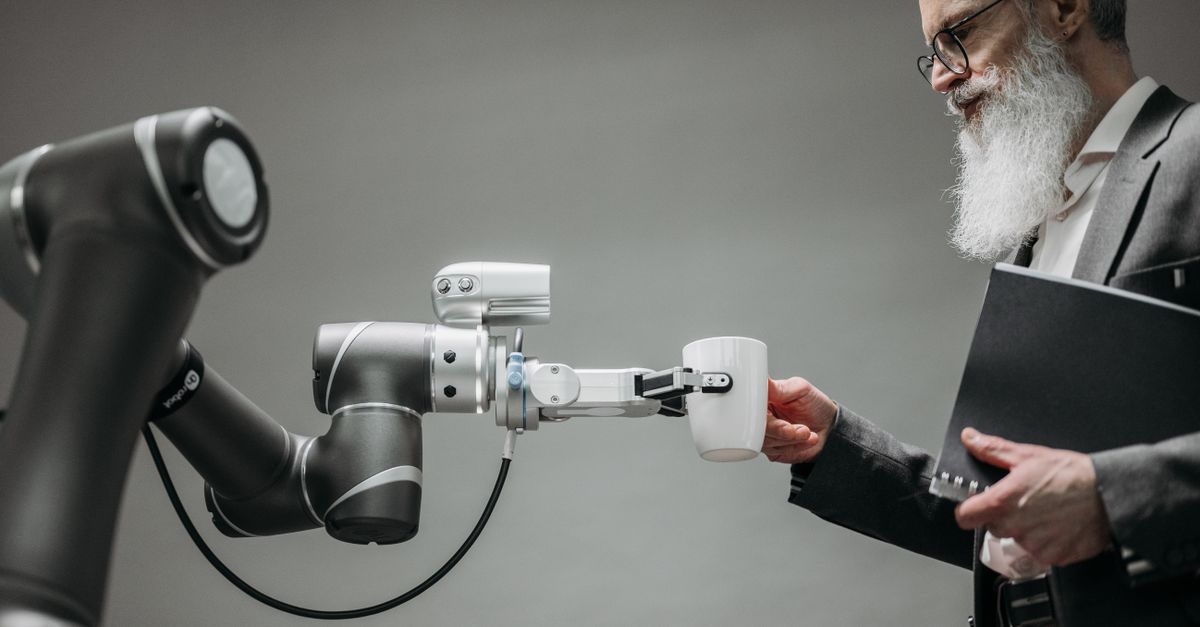
The future of event management isn’t about buying the latest hardware and hoping it stays relevant. It’s about leasing autonomous robots on a long‑term basis that adapt as your needs evolve. In 2026, the robot leasing market offers flexible contracts that reduce upfront capital expenses while keeping technology fresh.
What Long-Term Robot Leasing Looks Like
Long-term robot leasing is essentially an extended lease agreement—often 3 to 5 years—that gives you access to a fleet of autonomous machines without owning them outright. You pay a predictable monthly fee and receive regular software updates, maintenance, and sometimes hardware refreshes.
This model aligns with the shift from CapEx to OpEx for many businesses, especially those in the event industry where equipment must scale seasonally or for one-off large gatherings.
Key Benefits at a Glance
- Lower upfront costs and predictable budgeting
- Automatic access to newer robot models via upgrade clauses
- Vendor‑managed maintenance reduces downtime
- Flexibility to scale up or down based on event volume
- Potential tax advantages through lease deductions
Leasing Models That Fit Different Budgets
Not all leases are created equal. Understanding the structure of each model helps you match your cash flow and risk tolerance.
The most common options include fixed‑rate, pay‑as‑you‑go, subscription with upgrade paths, and hybrid models that blend elements of each.
Model Comparison
- Fixed-Rate Lease: Predictable monthly payments; best for stable event calendars. The vendor typically covers all maintenance, so your budget remains flat across the term.
- Pay‑As‑You‑Go: Charges per hour or task; ideal for sporadic use but can become expensive at scale. This model keeps initial costs low but requires careful monitoring of usage to avoid surprises.
- Subscription + Upgrade: Monthly fee plus optional upgrades after a set period; keeps you on the latest tech without large jumps. Many vendors offer tiered subscription plans that unlock new capabilities as your event size grows.
- Hybrid: Combines fixed base with performance bonuses; balances risk and reward. For example, a base lease might cover core functions while additional modules—like advanced AI analytics—are billed separately based on usage metrics.
Choosing the Right Leasing System
Selecting a robot leasing system is more than picking a vendor. It’s about aligning technology, support, and cost structures with your operational goals.
Consider these factors when evaluating offers:
Evaluation Checklist
- Technology stack compatibility with existing IT infrastructure
- Vendor’s track record on uptime and support response times
- Clear breakdown of costs: base lease, maintenance, software updates, hardware refreshes
- Scalability options for peak events or multi‑site deployments
- Compliance with local safety regulations and data privacy laws
- Exit clauses that allow early termination without penalty
A useful practice is to request a detailed service level agreement (SLA) draft during the RFP stage. This document should outline response times for critical incidents, scheduled maintenance windows, and escalation procedures.
Autonomous Robots in Event Settings
The most compelling use cases for robot leasing at events revolve around automation of repetitive, labor‑intensive tasks. These include crowd management, ticketing kiosks, security patrols, and merchandise distribution.
Popular models such as Boston Dynamics’ Spot for mobile surveying, Softbank’s Pepper for guest interaction, or custom‑built solutions can be tailored to your event flow.
Event-Specific Advantages
- Real-time crowd density monitoring reduces bottlenecks and improves safety compliance.
- Self-contained kiosks cut staffing costs during peak hours while maintaining a high touch experience.
- Robotic patrols enhance security coverage, allowing human guards to focus on complex threat assessment.
- Interactive displays increase attendee engagement and brand visibility through gamified content.
In addition, many vendors provide SDKs that let you integrate robot telemetry into your event management dashboards. This real‑time data can be used for post‑event analytics or to trigger automated alerts when thresholds are crossed.
Cost Analysis & Return on Investment
A well-structured lease can turn a capital-heavy purchase into an operating expense that pays for itself through labor savings, reduced downtime, and higher event capacity.
Below is a simplified ROI calculation comparing a 5‑year lease to outright ownership.
Sample Calculation (USD)
- Robot Cost: $120k upfront
- Monthly Lease Rate: $2,200
- Total Lease Payments (60 months): $132k
- Maintenance & Updates Included: $0 additional cost
- Labor Savings: $25k per event × 10 events/year = $250k over five years
- Net Benefit (Lease vs Purchase): $118k saved
Common pitfalls in this analysis include ignoring hidden fees such as data connectivity costs or late return penalties. It’s also important to factor in potential tax write‑offs for lease payments, which can further improve the financial picture.
Implementation Roadmap for 2026
Deploying a long-term robot leasing program requires structured planning. Here’s a phased approach that keeps disruptions to a minimum.
Roadmap Milestones
- Phase 1 – Assessment (Month 1–2): Map event workflows, identify automation opportunities, and estimate required robot capacity. Create a high-level integration diagram showing where robots will interface with ticketing, security, and guest services.
- Phase 2 – Vendor Selection (Month 3): Issue RFPs, evaluate proposals against the checklist, negotiate lease terms, and secure an SLA that covers uptime guarantees and data handling protocols.
- Phase 3 – Pilot Deployment (Month 4–5): Run a small-scale test during a minor event to validate integration, gather performance metrics, and train staff on robot operation and safety procedures. Collect feedback from attendees to assess user experience impact.
- Phase 4 – Full Rollout (Month 6–12): Scale up to full fleet, integrate data dashboards, establish ongoing support contracts, and implement a maintenance schedule that aligns with event calendars. Conduct a post‑deployment review to capture lessons learned for future leases.
Throughout each phase, maintain clear communication channels between the operations team, IT, and the vendor’s technical support staff. Document any custom configurations or workflow adjustments to ensure smooth handoffs during upgrades or hardware refreshes.
Case Study: Festival Automation Success
A major music festival in 2025 leveraged a long-term lease of Spot robots to manage crowd flow across three stages. The lease included quarterly hardware refreshes and real-time analytics integration.
The event saw a 15% reduction in security incidents, a 20% increase in ticket sales due to faster check‑in kiosks, and staff time reallocated to attendee experience initiatives.
Key lessons: prioritize vendor support reliability, plan for power infrastructure, and involve IT early to secure data pipelines. Additionally, the festival’s marketing team used robot-generated heat maps to optimize stage placement, demonstrating how operational data can feed back into event design.
Common Pitfalls to Avoid
Even with a solid lease, mistakes can erode expected benefits. Stay vigilant against these common missteps.
Pitfall List
- Underestimating Tech Readiness: Assuming robots will perform flawlessly without pilot testing.
- Ignoring Hidden Costs: Overlooked connectivity, software licensing, or return penalties.
- Poor Vendor Support: Lack of 24/7 helpdesk leads to prolonged downtime.
- Lack of Staff Training: Employees unfamiliar with robot interfaces can create safety hazards.
- Rigid Contracts: Failure to negotiate upgrade or scaling clauses limits flexibility.
I’ve spent the past decade helping startups move from buying hardware to leasing it. In my experience, the biggest win is when a client can reallocate capital that would have gone into purchase to marketing or staffing—exactly what we did for a midsize event organizer who saved $300k in CapEx over two years.
What’s the single most critical factor you consider when choosing between purchasing and leasing autonomous robots for your events?


