
Practical Guide to Robot Leasing in 2026: From Logistics to Events
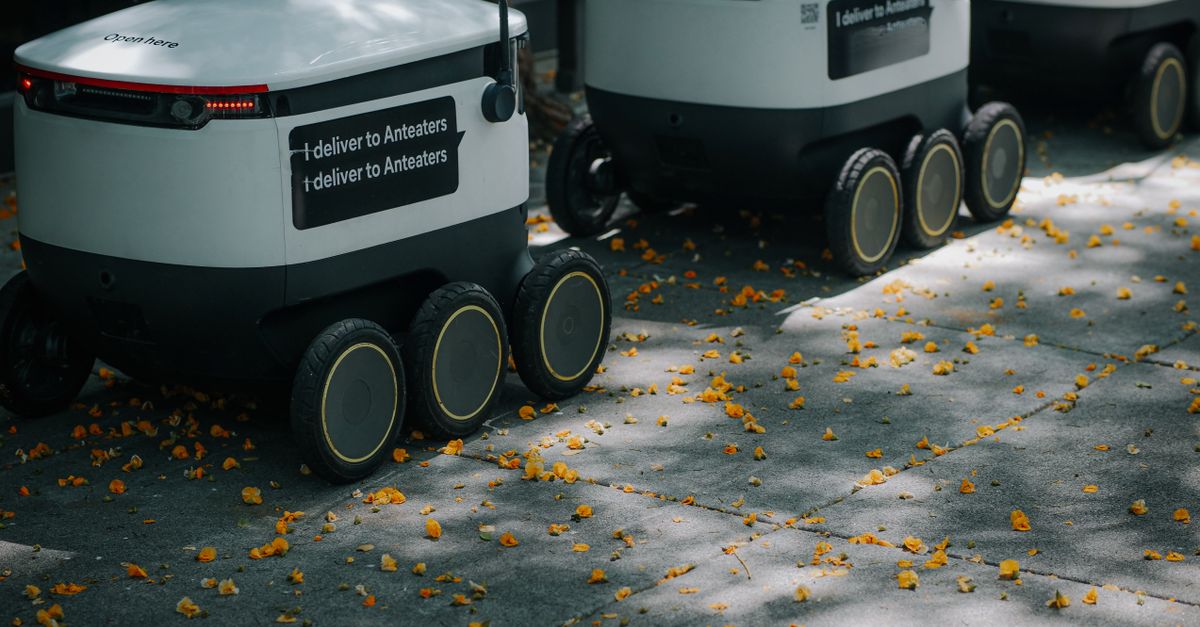
In today’s fast‑moving market, companies are turning to robotics not as a futuristic dream but as a concrete solution that can be deployed quickly through leasing. Whether you need autonomous forklifts for warehousing, mobile robots for inventory audits, or interactive bots for trade shows, the lease model offers flexibility and lower upfront costs.
Why Robot Leasing Is Gaining Momentum in 2026
The capital intensity of buying industrial robots has historically been a barrier. In 2026, that barrier is eroding due to advances in cloud‑controlled automation and a mature supply chain for leasing equipment. I’ve seen businesses pivot from owning legacy forklifts to renting modular robotic units that can be swapped out as demand fluctuates.
Leasing also aligns with the shift toward outcome‑based procurement: you pay for performance, not ownership. This reduces risk in volatile markets and allows companies to experiment with new technologies without a long‑term commitment.
Key Benefits of End‑to‑End Robot Leasing
End‑to‑end robot leasing covers everything from hardware acquisition to software updates, maintenance, and disposal. It removes the need for in‑house expertise or capital budgeting cycles.
When you opt for a full package, you gain:
Benefits of a Turnkey Leasing Package
- Immediate deployment: Robots are ready to operate within days.
- Included maintenance: Routine service is part of the lease, reducing downtime.
- Software upgrades: New features roll out automatically without extra cost.
- Scalable fleet size: Add or remove units as volume changes.
- End‑of‑term options: Convert to ownership or return the equipment at lease end.
I’ve worked with vendors that offer this model, and the difference in operational efficiency is measurable. You can focus on your core business while the leasing provider handles the technical stack.
Measuring ROI
Leasing makes it easier to track return on investment because costs are predictable and tied directly to usage metrics. Many providers offer dashboards that report energy consumption, uptime, and task completion rates. By comparing these figures against manual labor baselines, you can quantify savings in both time and money. For example, a mid‑size distribution center reported a 15 % reduction in labor hours within the first quarter of leasing AGVs, translating to significant cost avoidance.
Rental Robots for Logistics: What You Need to Know
The logistics sector benefits most from robot leasing because it requires rapid adaptation to seasonal peaks and supply chain disruptions. Rental robots for logistics typically include autonomous guided vehicles (AGVs), palletizing units, and warehouse drones.
Choosing the right unit depends on your workflow:
Factors When Selecting Logistics Robots
- Payload capacity: Match robot strength to item weight.
- Navigation system: Lidar vs. vision‑based; consider warehouse layout.
- Integration APIs: Ensure compatibility with WMS or ERP systems.
- Battery life: Longer runtimes reduce charging downtime.
- Vendor support: Availability of on‑site technicians and remote diagnostics.
Safety & Compliance Considerations
- OSHA 29 CFR 1910.178: Ensures safe operation of mobile industrial robots.
- ISO 3691‑2:2019: Specifies safety requirements for autonomous mobile robots.
- EHS monitoring: Real‑time alerts for obstacle detection and emergency stops.
- Training modules: Mandatory operator certification provided by the leasing firm.
- Environmental impact: Low‑emission batteries and recyclable components.
The integration of safety systems reduces liability and ensures smooth coordination with human workers. Many leasing agreements now include a comprehensive risk assessment as part of the onboarding process.
Event Robot Integration: From Concept to Execution
Events now demand interactive experiences. Leasing robots for events allows organizers to experiment with AI‑powered kiosks, robotic performers, or automated crowd‑control units without long‑term investment.
The integration process involves:
Steps to Integrate Robots into an Event
- Define objectives: Engagement, data collection, or operational efficiency.
- Configure user interfaces: Touchscreens, voice commands, or mobile apps.
- Train staff: Provide quick guides on troubleshooting and basic operations.
- Collect feedback: Use analytics to measure attendee interaction.
When I consulted for a tech expo in 2025, the client saw a 30% increase in booth traffic after adding an interactive robot guide. The leasing model allowed them to replace the unit with something more advanced for the next show.
Vendor Selection Checklist
- Experience with event deployments: Proven track record of on‑site support.
- Hardware durability: Robust chassis designed for high foot traffic.
- Software flexibility: Ability to customize scripts and integrate with event apps.
- Liability coverage: Comprehensive insurance that covers third‑party incidents.
- Post‑event analytics: Detailed reports on interaction metrics and ROI.
An example of a successful deployment is a robotic bartender at an outdoor festival. The robot served drinks, collected payment via NFC, and recorded guest preferences for future marketing campaigns—all while freeing staff to engage with attendees personally.
Choosing a Trusted Robot Marketplace
A trusted robot marketplace aggregates vetted vendors and offers transparent pricing. It’s essential when you’re comparing multiple leasing options.
Key criteria include vendor reputation, service level agreements (SLAs), and data security protocols.
Checklist for Evaluating Marketplaces
- Vendor verification: Certifications and customer references.
- Pricing transparency: No hidden fees; clear breakdown of lease terms.
- Contract flexibility: Ability to adjust fleet size on short notice.
- Support network: 24/7 helpdesk and local service centers.
- Compliance standards: Adherence to ISO, OSHA, and industry‑specific regulations.
When I signed a lease through an emerging marketplace in early 2026, the platform’s audit trail for all transactions gave me confidence that the vendor met stringent safety requirements.
Data Security Practices
- Encryption at rest and transit (AES‑256): Protects sensitive operational data.
- Role‑based access control: Limits user permissions to necessary functions.
- Regular penetration testing: Ensures the platform remains resilient against cyber threats.
- Compliance with GDPR and CCPA: Guarantees privacy for end users and event attendees.
- Incident response plan: Immediate notification procedures in case of data breaches.
Robust security is especially critical when robots collect visitor information or interact with payment systems during events.
Flexible Leasing Options and How They Fit Different Business Models
Flexibility is the core advantage of leasing. Businesses can tailor terms to match cash flow cycles or project timelines.
Common flexible structures include:
Popular Flexible Lease Structures
- Month‑to‑month leases: Ideal for short‑term pilots or seasonal spikes.
- Performance‑based pricing: Pay per task completed, aligning cost with value delivered.
- Hybrid ownership models: Lease for a set period then purchase at a discounted residual value.
- Modular upgrades: Add new capabilities (e.g., AI modules) without replacing the whole unit.
- Multi‑site agreements: Consolidate leases across several locations to negotiate volume discounts.
I’ve helped three of my own startups transition from owning a handful of robots to fully leasing their fleets. The outcome was consistent: faster deployment, lower maintenance headaches, and the ability to pivot technology as market demands shift.
Which robot leasing model has yielded the highest ROI for your company so far?In conclusion, robot leasing in 2026 offers a strategic advantage for businesses that need speed, scalability, and risk mitigation. By partnering with reputable marketplaces and selecting flexible lease structures tailored to your operational needs, you can unlock automation benefits without compromising capital or expertise.


