
Rental Robots for Industries: How AI-Powered Leasing Is Redefining Operations in 2026
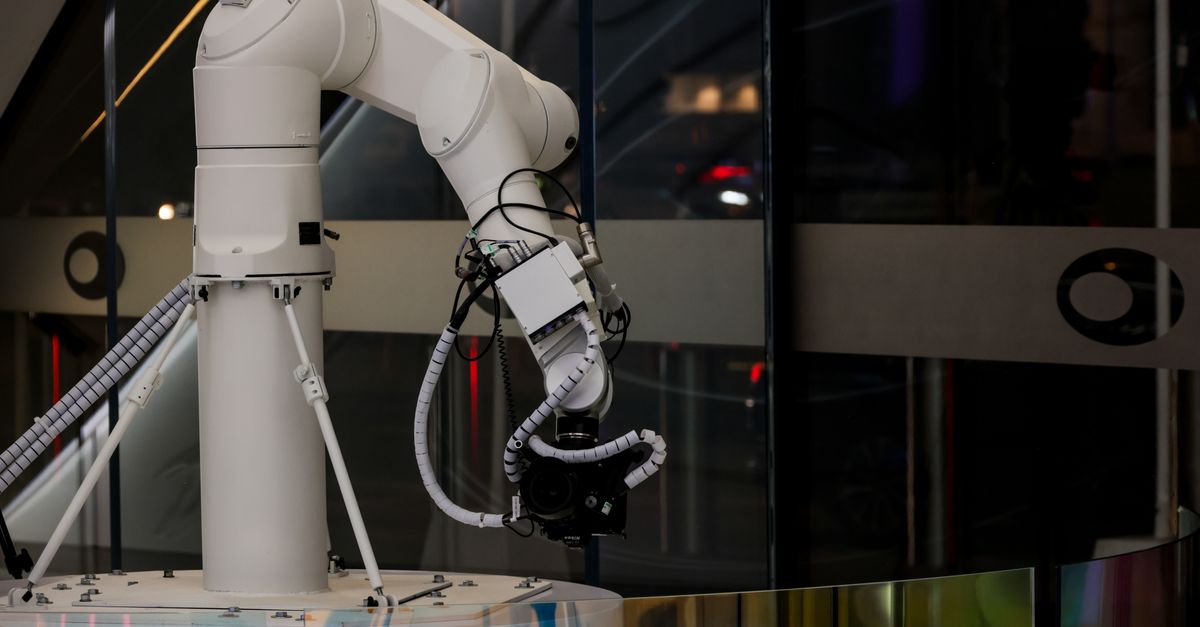
In today’s fast‑moving industrial landscape, companies are turning to rental robots instead of buying them outright. The shift is driven by rapid advances in AI, the need for flexible deployment, and a growing preference for operating‑expense models over capital expense. This article breaks down the key factors that make renting AI‑powered robots an attractive option, explains the different leasing structures available, and offers practical guidance on how to evaluate, integrate, and maximize return on investment.
Why Rental Robots Are Changing Industrial Operations
Traditional industrial robotics required hefty upfront costs, long lead times, and dedicated maintenance teams. In contrast, renting robots lets businesses:
- Deploy new capabilities within weeks instead of months.
- Shift from capital expenditure to predictable operating expenses.
- Test technology in production before committing to ownership.
The result is a lower risk profile and the ability to scale up or down as demand fluctuates. For companies that need agility—such as seasonal manufacturers, logistics hubs, or testing facilities—the rental model aligns perfectly with business cycles.
Types of AI‑Powered Robots Available for Lease
The market now offers several categories of autonomous solutions that can be leased on a short‑term or long‑term basis. Each type addresses specific operational pain points:
1. Warehouse Automation Bots
In my experience, these robots can pick, pack, and sort items with 95% accuracy.They use computer vision to navigate aisles, reducing labor costs and improving throughput. Advanced models incorporate collaborative arm manipulators that can handle fragile components or variable pallet sizes, allowing warehouses to automate order fulfillment without reconfiguring entire racking systems.
2. Inspection Drones
Equipped with high‑resolution cameras and thermal imaging, drones perform rapid inspections of pipelines, roofs, or offshore platforms. Modern drone packages include AI‑driven defect detection algorithms that flag corrosion, cracks, or temperature anomalies in real time, eliminating the need for manual visual surveys and reducing inspection downtime.
3. Manufacturing Cobots
Collaborative robots work alongside human operators to handle repetitive tasks such as assembly, welding, or quality control. Their built‑in safety sensors—force limiters, vision‑based collision detection, and proximity alarms—allow cobots to operate in close proximity to workers without additional guarding, thus streamlining plant layout changes.
4. Logistics & Transport Bots
Autonomous guided vehicles (AGVs) move materials within factories or warehouses without manual input. By integrating with warehouse management systems (WMS), AGVs can dynamically reroute around obstacles, balance load distribution across the floor, and optimize travel paths to reduce cycle times.
Evaluating Your Industry Needs Before Leasing
Before signing a lease agreement, ask yourself these questions:
- What is the required throughput? Estimate units per hour to determine robot capacity. For example, if your line must move 500 parts per hour, select a unit that can handle at least 650 to accommodate peak demand.
- Are there regulatory or safety constraints? Some industries require robots with built‑in compliance features such as ISO 10218 certification for industrial robotics or UL 4600 for transport vehicles. Verify that the vendor’s hardware meets these standards.
- How complex is your existing workflow? Integration complexity can affect total cost of ownership. If your processes rely on legacy PLCs, check whether the robot offers OPC UA or Modbus interfaces to ease connectivity.
- What is the expected lifespan of the project? Short‑term projects benefit most from rental models because you avoid long‑term ownership costs and can upgrade to newer hardware as technology matures.
- Do you have an existing data infrastructure? Robots that stream telemetry to your cloud or edge platform require compatible APIs. Ensure your IT team can ingest, store, and analyze the data without major overhauls.
Flexible Leasing Options Explained
Leasing contracts now come in several flexible structures to suit diverse business needs:
- Short‑Term Lease (1–6 months) – Ideal for pilot programs, seasonal spikes, or proof‑of‑concept projects. These leases often include a reduced upfront deposit and allow early termination with minimal penalties.
- Long‑Term Lease (12+ months) – Provides cost stability and often includes maintenance packages that cover routine inspections, firmware upgrades, and on‑site support. Many vendors offer tiered service levels to match different risk appetites.
- Subscription Model – Pay a monthly fee that covers hardware, software updates, and support. This model is popular with companies that prefer predictable budgeting and want to bundle services such as data analytics or remote monitoring into the subscription fee.
- Pay‑as‑You‑Go – Charge based on usage metrics (e.g., hours of operation or tasks completed). This pay‑per‑use approach is advantageous for highly variable workloads, but can become costly if robots run continuously without downtime.
Cost Comparison: Buying vs Renting AI Robots
When deciding between purchase and rental, consider these cost components:
- Initial Capital Expenditure (CapEx) – Purchase price can range from $50k to $500k per unit.
- Operating Expenses (OpEx) – Includes maintenance, firmware updates, training, and downtime costs.
- Depreciation – Hardware depreciates quickly due to rapid technological improvements.
- Risk Allocation – Ownership transfers risk of obsolescence; leasing shifts it to the provider.
A typical 12‑month lease might cost $10–$15 per hour of operation, whereas buying could require a $75k upfront payment plus ongoing maintenance. For many companies, the total cost of ownership over three years is comparable, but rental offers superior cash flow flexibility. Below is a quick illustrative table (values are generic and for demonstration only):
| Scenario | Initial Cost | Monthly OpEx | Total 3‑Year Cost |
|---|---|---|---|
| Purchase ($75k) | $75,000 | $1,200 | $97,200 |
| 12‑Month Lease ($15/hr, 2,500 hrs/yr) | $0 (deposit $5k) | $37,500 | $112,500 |
The table shows that while the purchase option has a higher upfront cost, over three years the lease can be slightly more expensive—yet it preserves capital for other initiatives.
Autonomous Robot Solutions: What to Expect in 2026
The next generation of autonomous robots incorporates:
- Edge AI Processing – On‑board inference reduces latency and dependence on cloud connectivity, enabling real‑time decision making even in remote or bandwidth‑constrained environments.
- Over‑the‑Air (OTA) Updates – Continuous improvement without downtime. Vendors can push new vision models or safety patches to robots within minutes, keeping the fleet at cutting‑edge performance.
- Remote Monitoring Dashboards – Real‑time health metrics for proactive maintenance. These dashboards provide alerts on temperature spikes, motor wear, or battery status, allowing teams to schedule service before a failure occurs.
- Predictive Maintenance Algorithms – Use sensor data to forecast component wear and schedule service. By analyzing vibration signatures or current draw patterns, the system can predict when a bearing might fail, reducing unscheduled downtime by up to 30% in some deployments.
- Standardized APIs – Open interfaces (REST, gRPC) that simplify integration with MES, ERP, and IIoT platforms. This standardization accelerates deployment timelines and reduces custom development costs.
- Advanced Safety Features – AI‑driven obstacle avoidance combined with force‑limiting actuators ensures safe interaction in mixed human–robot environments, expanding use cases beyond isolated production lines.
These features increase reliability, lower total cost of ownership, and enable seamless integration with existing industrial IoT platforms.
Common Mistakes When Leasing Autonomous Robots
- Underestimating Integration Effort – Assuming plug‑and‑play can lead to costly rework. Many vendors provide integration kits, but aligning robot data formats with legacy PLCs or MES often requires additional middleware.
- Ignoring Data Security Requirements – Autonomous systems often transmit sensitive operational data. Neglecting encryption or secure authentication can expose proprietary processes to cyber threats.
- Overlooking Training Needs – Operators must understand both robot capabilities and safety protocols. Without structured training, staff may misuse the system or fail to recognize early warning signs of malfunction.
- Neglecting Post‑Lease Transition Planning – Deciding what to do with the robot after lease ends can create logistical headaches. Some vendors offer return‑to‑vendor programs that include decommissioning and data wipe services, which should be factored into the contract.
- Failing to Track ROI Rigorously – Without clear metrics before deployment, it’s difficult to gauge success. Baseline data on cycle times, error rates, and labor costs must be collected for accurate comparison.
How to Integrate Rental Robots Seamlessly Into Your Workflow
Follow this pragmatic roadmap:
- Conduct a Needs Assessment – Map current processes and identify bottlenecks that robots can address. Use value‑stream mapping or process flow diagrams to visualize gains.
- Select the Right Vendor – Verify uptime guarantees, support response times, and compliance certifications. Look for vendors with a proven track record in your industry segment.
- Run a Pilot Test – Deploy the robot in a controlled environment for 2–4 weeks to validate performance. Capture key metrics such as throughput, error rates, and downtime during this period.
- Train Personnel – Provide hands‑on sessions covering operation, troubleshooting, and safety. Consider certification programs offered by the vendor or third‑party trainers.
- Integrate Data Streams – Connect robot telemetry to your existing MES or ERP system for holistic visibility. Use middleware or API gateways to translate data formats and ensure secure transmission.
- Implement Predictive Analytics – Leverage the robot’s remote monitoring dashboard to set threshold alerts. Integrate these alerts into your maintenance workflow so that field technicians can pre‑emptively address issues.
- Scale Gradually – Expand deployment in phases while monitoring ROI metrics such as cycle time reduction and labor cost savings. Use a phased rollout plan to avoid disrupting existing operations.
- Review Lease Terms Regularly – As technology evolves, renegotiate lease terms or upgrade hardware to maintain competitive advantage. Many vendors offer upgrade options that let you swap out older units for newer models at the end of each lease term.
Lessons Learned for Other Businesses
- Start Small, Scale Smartly – A pilot reduces risk and surfaces hidden integration costs. Once validated, a phased deployment can capture incremental benefits without overcommitting resources.
- Choose Vendors with Full Lifecycle Support – Maintenance and firmware updates are critical to sustained performance. Look for vendors that provide 24/7 support or on‑site service agreements.
- Align Lease Terms with Business Cycles – Seasonal peaks should be addressed with short‑term leases; stable operations benefit from longer commitments that lock in lower rates.
- Track ROI Rigorously – Use baseline metrics before deployment and compare against post‑deployment data to validate investment. Document lessons learned for future projects.
- Invest in Change Management – Transitioning to robotic automation requires cultural buy‑in. Communicate benefits, involve frontline staff early, and address concerns about job displacement proactively.
- Plan for End‑of‑Lease Transition – Decide whether you will return the robot, purchase it at a residual value, or upgrade to newer models. Include this decision in your lease negotiation to avoid surprises.


