
Should I Rent Smart Automation Robots for My Industry in 2026?
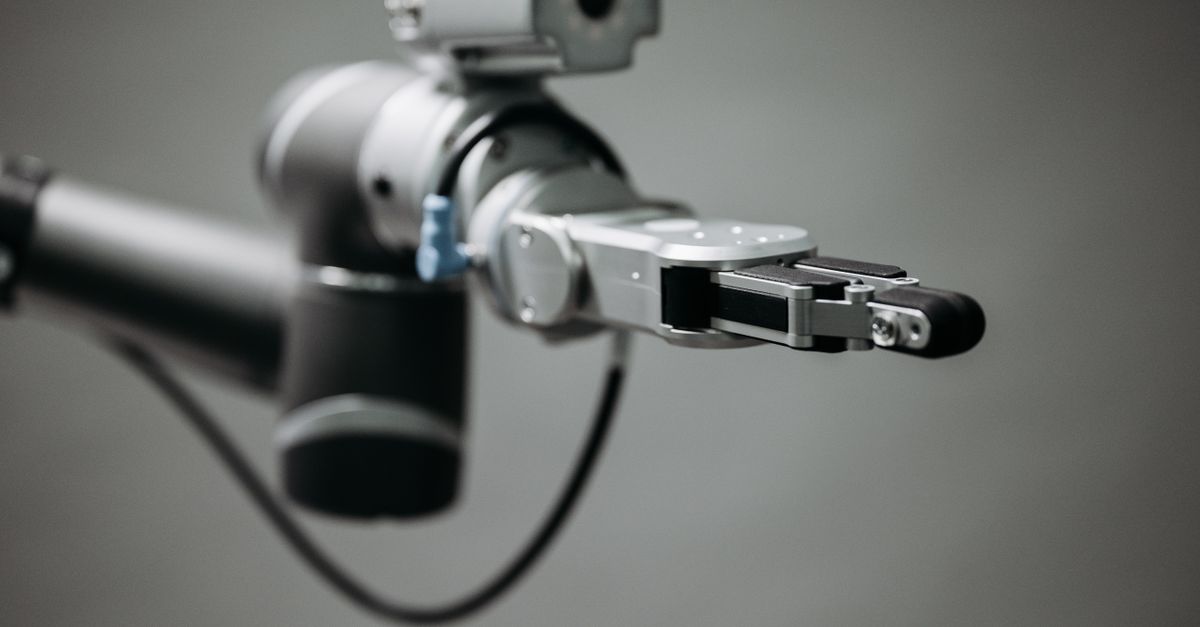
When the cost of buying a robot and maintaining it climbs higher than the profit margin you can realistically achieve, the alternative is to rent smart automation robots. In 2026, many manufacturers, warehouses, and even small‑scale craft businesses are turning to automation solutions rental to stay competitive without drowning in capital expenditure.
Why Consider Renting Over Buying?
I’ve seen the classic buy‑now‑pay‑later cycle break companies that thought a one‑time purchase was the fastest route to automation. The truth is, the upfront cost masks long‑term liabilities: software updates, spare parts, skilled operators, and liability insurance. Rental models shift those responsibilities onto the vendor while giving you flexibility.
Moreover, with collaborative robot leasing, you can scale your production line up or down based on seasonal demand without committing to a permanent fixture. If a new process emerges that requires a different robot type, you simply swap units in your rental portfolio rather than scrapping an outdated machine.
Financial perspective: Buying a mid‑size industrial arm might require a $150 k investment plus a maintenance budget of 10% annually. Leasing the same unit could cost roughly $2 500 per month, which includes service and parts—equivalent to $30 k over two years but without tying up capital or facing depreciation risks.
Key Advantages of Rental Robots for Industries
- Capital Preservation: No large upfront purchase; use cash flow instead.
- Technology Refresh: Upgrade to newer models without extra cost.
- Maintenance Included: Vendor handles routine servicing and parts replacement.
- Scalability: Add or remove robots as demand fluctuates.
- Risk Mitigation: Reduced exposure to obsolescence and warranty gaps.
The trade‑off is that you may pay slightly more over a long period, but the operational certainty and strategic agility usually outweigh that. I’ve watched a mid‑size automotive supplier keep its lines running during a supply chain shock because they could pull in spare robots from their leasing pool within days.
What Types of Smart Automation Robots Are Available for Rent?
The market is segmented by application and degree of autonomy. Understanding the categories helps you match the right robot to your specific workflow.
1. Collaborative (Cobots) for Assembly
These are light‑weight, sensor‑rich robots that work beside human operators. They’re ideal for repetitive pick‑and‑place tasks or quality inspection in small batch production. A typical cobot can lift up to 5 kg and reach a 1.2 m envelope, making it suitable for electronics assembly or hand‑packaged goods.
2. Mobile Manipulators for Material Handling
Robot arms mounted on AGVs (Automated Guided Vehicles) can move parts across a plant floor, reducing manual lifting and improving safety. They are often paired with RFID tagging to track inventory in real time.
3. Industrial Pick‑and‑Place Robots
High‑speed, high‑precision units designed for packaging lines or electronics assembly where speed and accuracy are critical. These robots can achieve cycle times of 0.5–1 second per pick, enabling throughput rates above 200 items per minute.
4. Autonomous Guided Vehicles (AGVs) with Payload Capability
These vehicles navigate using laser guidance to transport bulk items—useful in warehouses or distribution centers. They can carry payloads of up to 1 tonne and are integrated with warehouse management systems for seamless routing.
5. Inspection and Quality Robots
Vision‑based robots that scan products for defects, often integrated with AI algorithms to flag issues in real time. They excel in high‑volume environments where human inspection would be too slow or inconsistent.
When you’re evaluating a vendor, ask which categories they specialize in and how many units of each type they have available for immediate deployment.
How Do I Pick the Right Rental Robot Solution?
The selection process is similar to buying an appliance: look at performance specs, support structure, and cost. However, because you’re leasing, you also need to consider vendor reliability and contractual flexibility.
Performance Criteria
- Payload Capacity: Must meet or exceed the weight of your parts.
- Reach (Work Envelope): Should cover all workstations in your layout without repositioning.
- Cycle Time: Aligns with production throughput goals.
- Precision and Repeatability: Critical for quality‑dependent industries.
Vendor Support Factors
- Installation Time: Quick setup reduces downtime.
- Training Packages: On‑site or remote training for operators.
- Software Integration: Compatibility with existing MES (Manufacturing Execution Systems).
- 24/7 Technical Hotline: Rapid response to issues.
Financial and Contractual Aspects
- Lease term length and renewal options.
- Option‑to‑buy clauses if you decide to purchase later.
- Maintenance cost breakdown (included vs. additional).
- Penalties for early termination or equipment damage.
In my experience, the vendor that offered a flexible 12‑month lease with an embedded maintenance plan was the most attractive even though their per‑unit rate was slightly higher.
What Should My Agreements Cover to Ensure Secure Robot Rentals?
Because you’re entrusting expensive equipment and sensitive production processes to another party, a robust contract is essential. Below are clauses that should be part of any secure robot agreements.
1. Scope of Work and Deliverables
Detail the exact models, configurations, and performance metrics you’ll receive.
2. Installation and Commissioning Responsibilities
Clarify who handles site preparation, cabling, and initial testing.
3. Maintenance and Support Obligations
Specify routine maintenance schedules, spare parts provision, and escalation paths for downtime.
4. Liability and Insurance Provisions
Define coverage for operator injury, equipment damage, or production loss due to robot failure.
5. Data Security and Intellectual Property Rights
If the robot collects process data, state who owns the data and how it can be used.
6. Termination and Return Conditions
Outline conditions for early termination, return condition criteria, and penalties for non‑compliance.
A well‑structured agreement protects both parties and ensures that the rental relationship is a partnership rather than a transactional arrangement.
How Do I Budget for Rental Robots?
Unlike capital purchases, robot rentals involve recurring costs. A transparent cost breakdown helps you forecast cash flow and calculate ROI accurately.
Cost Components
- Base Lease Rate: Monthly or annual fee per unit.
- Installation Charge: One‑time fee for site setup.
- Training Cost: Per operator or per session.
- Software Licensing: If proprietary control software is required.
- Data Analytics Subscription: For real‑time performance dashboards.
To compute ROI, compare the total cost of ownership over a 5‑year period with the incremental revenue or savings generated by the robot’s productivity gains. In my own pilot at a small packaging line, the rental model produced a 30% improvement in throughput while keeping cash tied up for less than a year.
What Does Deployment Look Like? A Three‑Step Implementation Roadmap
A clear rollout plan minimizes disruption and ensures that you can start reaping benefits quickly.
1. Feasibility Study & Pilot
Run a short pilot to validate performance against your production data. Document baseline metrics for comparison.
2. Full‑Scale Integration
Once the pilot proves successful, integrate the robot into the main line, aligning it with MES and quality control workflows.
3. Continuous Optimization & Lease Review
Use data analytics to fine‑tune cycle times and monitor wear patterns. Periodically review lease terms to adjust for changing capacity needs.
By following this roadmap, you can transition smoothly from manual labor to automated precision without losing production momentum.
The core takeaway: Renting smart automation robots provides the flexibility to adapt to market changes while keeping capital and maintenance risks low. A well‑structured agreement and clear budgeting turn the rental model into a strategic advantage rather than an operational expense. How have you balanced the trade‑off between upfront costs and long‑term savings when choosing to lease automation equipment?


