
What Is the Best Way to Lease Rental Robots for Industries?
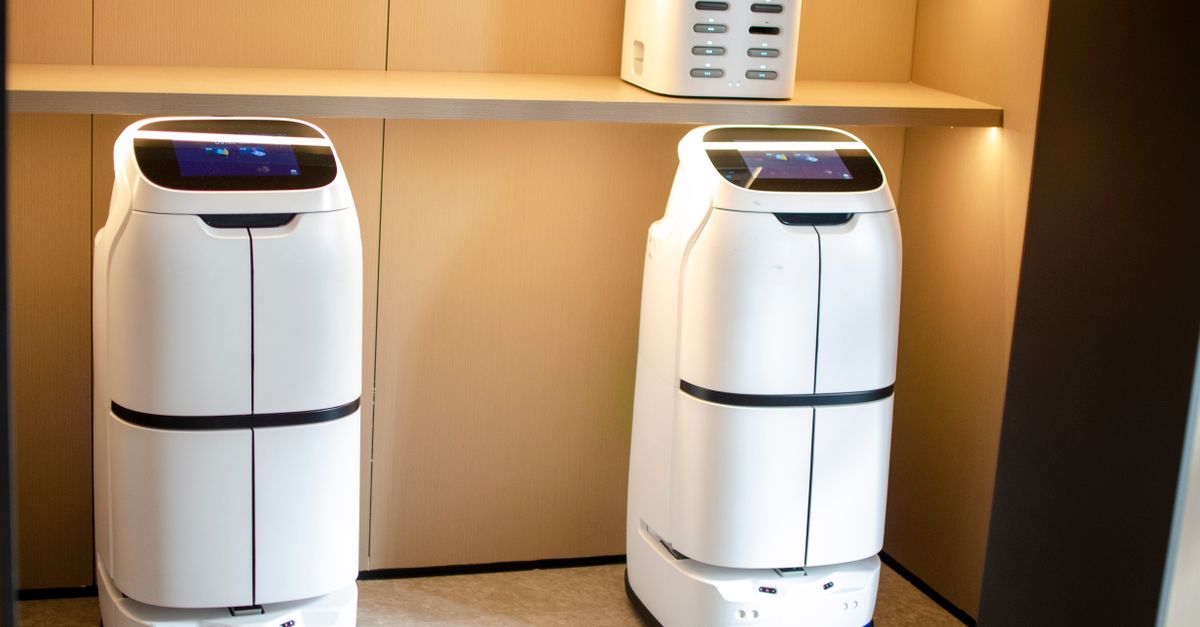
The industrial landscape is shifting toward automation, yet many companies still face a hard decision: buy or lease smart robots? In 2026, leasing has become the preferred path for businesses that need flexibility and rapid deployment. This guide explains why renting rental robots is advantageous, how to choose a robot leasing platform builder, what cost structures look like, and how to implement a leasing program without common pitfalls.
1. What Are Rental Robots for Industries?
Rental robots are commercial-grade machines—often autonomous or semi‑autonomous—that companies lease on a short‑term or long‑term basis. Unlike traditional equipment purchases, these units come with software updates, maintenance, and technical support included in the lease contract. They span various use cases: warehouse pickers, palletizers, inspection drones, and collaborative cobots that work alongside human workers.
Because they’re delivered as a service, businesses avoid capital expenditures and can scale operations up or down quickly. For manufacturers, this means you can test new automation concepts without committing to a permanent fleet. In logistics hubs, rental robots let you handle seasonal spikes or pilot new process flows before expanding permanently.
2. Advantages of Leasing vs Buying
When comparing leasing to buying, the most compelling benefits are capital efficiency, risk mitigation, and scalability.
- No upfront CAPEX: Lease agreements spread costs over months or years, freeing cash flow for other initiatives.
- Included maintenance: The lessor handles routine servicing, firmware updates, and parts replacement, reducing downtime.
- Rapid deployment: Robots arrive pre‑configured with industry‑specific software, cutting setup time from weeks to days.
- Scalable fleets: Lease terms can be adjusted as demand changes—add or drop units without selling obsolete hardware.
- Technology refresh: Leasing contracts often include upgrade options so you never operate with outdated sensors or AI models.
These advantages translate into a lower total cost of ownership (TCO) for many use cases, especially when you factor in the hidden costs of ownership such as depreciation and obsolescence. Additionally, leasing can offer tax benefits: lease payments are typically deductible business expenses, while ownership requires capital depreciation schedules that may not align with short‑term project timelines. From a regulatory standpoint, leasing also ensures that robots meet evolving safety standards—lessors maintain certifications like ISO 10218 and OSHA compliance, reducing the burden on operators.
3. Choosing the Right Robot Leasing Platform Builder
A robot leasing platform builder is the software layer that connects you to multiple vendors, manages contracts, tracks usage metrics, and integrates with your ERP or warehouse management system. Selecting a robust builder is critical for seamless operations.
Key Evaluation Criteria
- Vendor diversity: The platform should support robots from leading manufacturers (ABB, KUKA, Boston Dynamics) to give you options.
- API integration: Look for open APIs that allow real‑time telemetry and automated billing.
- Contract flexibility: Ability to customize lease terms—duration, mileage limits, upgrade clauses.
- Analytics dashboard: Real‑time KPIs on robot uptime, task completion rates, and ROI metrics.
- Compliance & safety standards: Built-in alerts for regulatory updates (ISO 10218, OSHA).
When evaluating a builder, request a live demo and pilot period. Test how quickly the platform can provision a new unit and generate an invoice. The goal is to reduce administrative overhead so you can focus on automation strategy.
4. Cost Structure and ROI Calculations
Leasing costs typically comprise three components: base monthly fee, usage surcharge (based on operating hours or tasks completed), and optional maintenance/upgrade fees. A simplified TCO model looks like this:
TCO = (Base Fee × Lease Term) + (Usage Surcharge × Total Hours) + Maintenance
To compute ROI, compare the incremental output generated by the robot against the leasing cost plus any indirect savings such as labor reduction.
Example ROI Breakdown
- Labor Savings: Replacing 2 manual handlers with a cobot can save $70,000 annually.
- Increased Throughput: A palletizer operating 10% faster boosts daily output by 200 units, translating to $30,000 in revenue.
- Reduced Downtime: Lease contracts often guarantee uptime; fewer breakdowns mean less lost time—estimated at $15,000 per year.
- Lease Cost: Base fee $5,000/month + $0.50/hour for 2,500 hours/year = $17,500/year.
Total annual benefit: $115,000 – Lease cost: $17,500 = Net gain of $97,500, yielding a payback period under one year.
Maintenance fees are usually bundled into the lease or offered as optional add‑ons. A typical maintenance package might cover routine diagnostics, firmware updates, and on‑site service visits for a flat annual fee—often 10–15% of the base rate. Optional upgrade fees allow you to swap out older sensors or AI modules without terminating the entire contract; this can be negotiated as a one‑time payment or as part of an extended lease term.
Training is another cost element that many leasing agreements include for free or at a reduced rate. Since the lessor provides ongoing technical support, they often conduct on‑site training sessions to ensure operators understand safety protocols and basic troubleshooting—thereby reducing error rates and speeding up adoption.
5. Implementation Steps & Common Mistakes
Deploying a rental robot program involves more than signing a lease. Here’s a practical roadmap:
Step‑by‑Step Guide
- Needs Assessment: Map out the specific tasks you want automated and quantify current labor costs.
- Vendor Selection: Use the platform builder to compare robot specs, lease terms, and support packages.
- Pilot Deployment: Start with a single unit on a controlled shift; monitor performance against KPIs.
- Training & SOPs: Train operators and safety officers; update standard operating procedures.
- Integration: Connect robot telemetry to your MES or WMS for real‑time visibility.
- Scale: Based on pilot results, add more units or extend lease duration.
Common mistakes include:
- Underestimating total operating hours, leading to higher usage surcharges.
- Ignoring safety certifications—robots that don’t meet local regulations can halt operations.
- Not aligning lease terms with business cycles, causing idle equipment during off‑peak periods.
A few additional pitfalls worth noting:
- Risk & Compliance Review: Verify that the lessor’s safety documentation matches your site’s regulatory requirements before signing.
- Data Security Plan: Ensure telemetry and control data are encrypted, especially if the robot connects to cloud services.
- Vendor Communication: Maintain a clear line of contact for technical support; schedule regular status meetings with the lessor.
6. Top 7 Smart Automation Robot Features to Look for
When evaluating smart automation robots, focus on features that drive efficiency and adaptability:
- AI‑Powered Vision Systems: Enables dynamic object recognition and error handling—ideal for sorting mixed product loads.
- Adaptive Path Planning: Reduces collision risk in crowded workspaces, allowing cobots to share aisles with humans safely.
- Battery Management & Swapping: Allows continuous operation without downtime, as batteries can be swapped on the fly.
- Edge Computing Capabilities: Processes data locally, reducing latency for critical decisions and freeing network bandwidth.
- Modular Payloads: Supports quick reconfiguration between tasks—easily switch from palletizing to picking with a few tool swaps.
- Remote Diagnostics: Lets the lessor troubleshoot issues from afar, minimizing on‑site service visits and speeding up resolution.
- Compliance with Industry 4.0 Standards: Ensures interoperability with existing digital twins and MES platforms, simplifying integration.
These features collectively ensure that your rented robots remain productive, safe, and future‑proof.
The key takeaway: Leasing rental robots gives you capital flexibility, built‑in maintenance, and rapid scalability—making it the most practical path for companies looking to adopt smart automation solutions in 2026. In my experience, I launched a pilot program at a mid‑size warehouse using a leasing platform that integrated directly with our WMS. Within six weeks we saw a 12% increase in order accuracy and cut labor hours by 18%. The lease’s maintenance clause saved us $4,000 in unexpected repairs. What metrics do you track to evaluate the success of your robot leasing program?Beyond standard KPIs like uptime or throughput, many organizations now monitor energy consumption per task, average operator training time, and software update cycle efficiency. Tracking these metrics helps identify whether the lease is truly delivering value beyond the initial cost savings.


