
Which is better for manufacturing: factory robot rentals or mobile robot leasing in 2026?
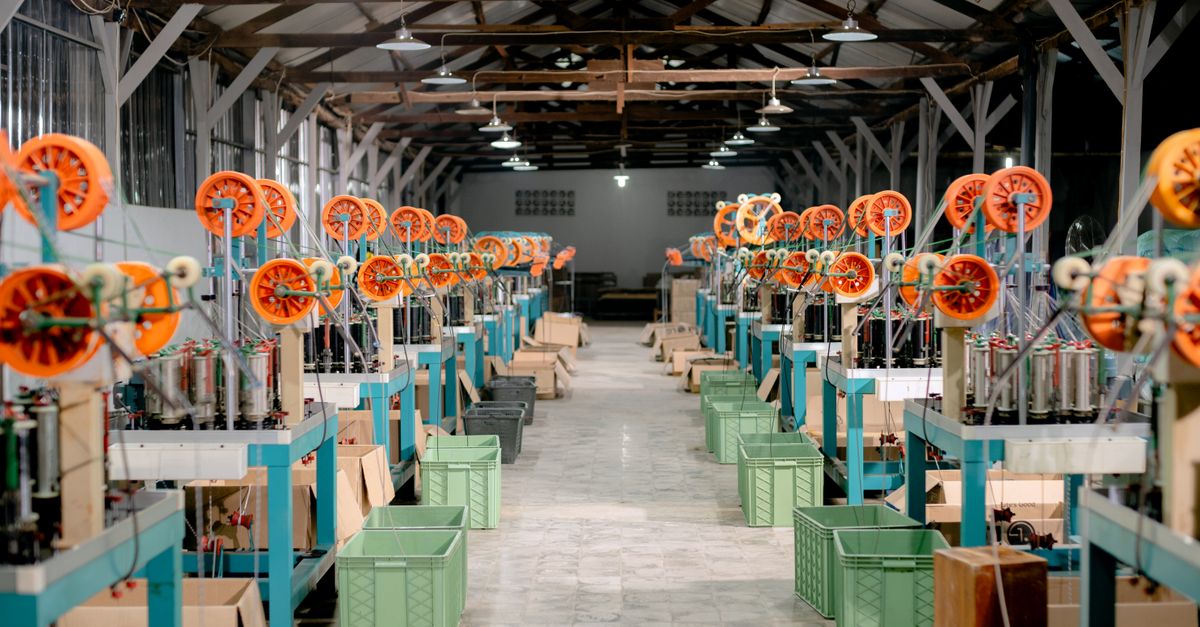
Manufacturers face a growing choice between two major leasing models that can dramatically affect production flexibility, capital allocation, and long‑term competitiveness. End-to-end robot leasing provides a turnkey package where the vendor supplies, installs, programs, and maintains the system. Mobile robot leasing, on the other hand, offers modular units—often autonomous guided vehicles or collaborative robots—that can be added incrementally to existing lines. Understanding how these options align with your operational goals is critical before signing a contract.
1. Defining the Leasing Models
Before diving into pros and cons, let’s clarify what each term actually means in practice.
Key Definitions
- End-to-End Robot Leasing: A full-service arrangement where the vendor delivers a complete robotic solution—including hardware, software integration, training, and ongoing maintenance—often under a single monthly fee.
- Mobile Robot Leasing: Flexible leasing of individual mobile units (AGVs, cobots) that can be deployed across multiple workstations or even shared between facilities. The vendor typically covers only the robot itself; integration and support may require separate agreements.
- Factory Robot Rentals: Short-term, high-capacity robotic deployments, usually for pilot projects or seasonal spikes.
- Automation Solutions Rental: A broader category that can include sensors, vision systems, conveyor logic, and software licenses bundled with robot leasing.
- Comprehensive Robotic Solutions: The vendor’s promise to deliver a fully integrated system—from concept through commissioning—tailored to specific production requirements.
The overlap is real: an end-to-end lease can include mobile units, while a factory rental may be part of a larger automation package. Knowing the nuances helps you ask the right questions during vendor negotiations.
2. End-to-End Robot Leasing vs Mobile Robot Leasing
The core difference lies in scope and control. End-to-end leasing places most responsibilities on the vendor; mobile leasing offers more flexibility but requires greater internal oversight.
Scope Comparison
- Vendor Responsibility: End-to-end – full system integration, maintenance, upgrades. Mobile – hardware only or partial integration.
- Capital Outlay: End-to-end often has a higher monthly fee but eliminates large upfront CAPEX. Mobile leasing can start lower but may accumulate costs as you add units.
- Change Management: End-to-end allows quick scaling with vendor support; mobile requires internal change‑control and training for each unit added.
- Risk Profile: End-to-end transfers operational risk to the vendor. Mobile leasing spreads risk across multiple contracts but may expose you to compatibility issues.
If your plant needs a rapid, turnkey solution—say, to replace an aging assembly line—end‑to‑end is usually the smoother path. For incremental upgrades or pilot testing new tasks without committing to a full system, mobile leasing offers a lower barrier to entry.
3. Factory Robot Rentals: Use Cases & Benefits
Factory robot rentals are typically short‑term contracts aimed at high‑volume production spikes, maintenance windows, or experimental runs.
Typical Use Cases
- Seasonal Demand Peaks: Retail supply chains that need extra pickers during holiday periods.
- Product Launches: Rapid scaling of a new assembly line without long‑term investment.
- Equipment Downtime: Replacing critical robots while the original unit is under repair.
- Technology Trials: Assessing a new robotic arm’s performance before committing to purchase.
The primary benefit is cost predictability: you pay for what you use without owning the assets. However, rental contracts often exclude maintenance or require you to cover spare parts, so you must factor those costs into your budget.
4. Comprehensive Robotic Solutions: Integration and Support
When a vendor offers comprehensive solutions, they take ownership of the entire value chain—from design to decommissioning.
What You Get
- System Architecture: Customized layout and workflow mapping to fit your facility’s footprint.
- Software Stack: Unified PLCs, motion control, safety interlocks, and data analytics dashboards.
- Training & Certification: Hands‑on workshops for operators and maintenance staff.
- Lifecycle Management: Scheduled upgrades, firmware patches, and end‑of‑life planning.
Because the vendor owns the solution, you can often negotiate service level agreements (SLAs) that guarantee uptime. The trade‑off is a higher monthly fee and less flexibility to swap components without renegotiating the contract.
5. Automation Solutions Rental: Cost Structures and ROI
A holistic rental approach bundles robots with supporting technology—vision systems, conveyor belts, safety sensors—to create an integrated automation package.
Typical Pricing Models
- Fixed Monthly Fee: Covers all hardware, software licenses, and maintenance for a set period.
- Usage‑Based Billing: Charges per hour of robot operation or per part processed.
- Hybrid Model: Base fee plus variable components tied to performance metrics.
ROI calculation hinges on balancing the rental cost against productivity gains. In many cases, a 15–20% increase in throughput can offset the monthly lease within two years. Be sure to account for hidden costs like network infrastructure upgrades or operator training when evaluating ROI.
6. Decision Factors: Capacity, Flexibility, Total Cost of Ownership
Choosing between factory robot rentals and mobile leasing depends on several measurable criteria.
Key Decision Matrix
- Production Volume: High-volume lines favor factory rentals for economies of scale; low-volume or variable tasks lean toward mobile units.
- Changeover Time: If you need rapid reconfiguration, mobile leasing offers quicker deployment.
- TCO (Total Cost of Ownership): Include hardware depreciation, maintenance, downtime costs, and integration effort.
- Vendor Expertise: Verify the vendor’s track record in your industry; a strong support network reduces risk.
- Future Scalability: Consider how easily you can add or remove units as demand shifts.
Use this matrix to score each option against your strategic priorities. A simple spreadsheet with weighted scores often reveals the most cost‑effective path.
7. Common Pitfalls in Leasing Agreements
Even seasoned manufacturers stumble on contract details that can erode expected benefits.
Typical Mistakes
- Ignoring Maintenance Clauses: Assuming maintenance is included can lead to surprise invoices.
- Underestimating Integration Costs: Mobile units may require custom adapters or software licenses that aren’t part of the lease.
- Lack of Performance SLAs: Without clear uptime targets, you risk prolonged downtime during critical periods.
- Over‑Specifying Hardware: Choosing higher-end models than needed inflates monthly fees without added value.
- Neglecting End‑of‑Lease Terms: Some vendors charge penalties for early termination or require costly decommissioning services.
When reviewing proposals, flag any vague language and seek clarifications before signing. A well‑drafted contract should leave no room for ambiguity on cost, responsibilities, or performance metrics.
8. Implementation Checklist for Rolling Out Robotics
A structured rollout reduces risk and ensures you capture the full value of your leasing investment.
Step‑by‑Step Guide
- Define clear objectives: throughput, quality, or cost reduction targets.
- Conduct a feasibility study to match robot capabilities with task requirements.
- Select vendors based on proven integration experience and support SLAs.
- Negotiate a pilot phase with defined KPIs before full deployment.
- Develop an operator training program in partnership with the vendor.
- Integrate data collection for real‑time performance monitoring.
- Schedule regular maintenance windows aligned with production cycles.
- Review lease terms annually to adjust capacity or upgrade technology.
Adhering to this checklist helps you avoid common missteps and accelerates the realization of ROI.
The most decisive factor in choosing between factory robot rentals and mobile leasing is aligning the model with your production volume stability and change‑over speed requirements. High, stable volumes favor long‑term, integrated rentals; variable or experimental workloads benefit from modular mobile leases.In my experience leading a rapid prototyping line at a mid‑size automotive parts plant, we opted for a short‑term factory robot rental during the new model launch. The vendor’s turnkey approach eliminated integration headaches, and we achieved a 12% throughput increase within the first month.
Conversely, when our logistics team needed to test an autonomous picking system on a small subset of parts, we chose mobile robot leasing. It allowed us to validate performance without committing to a full‑scale rollout, saving 18% in capital spend for the pilot phase.
What challenges have you faced when negotiating lease agreements for robotic systems, and how did you overcome them?


